

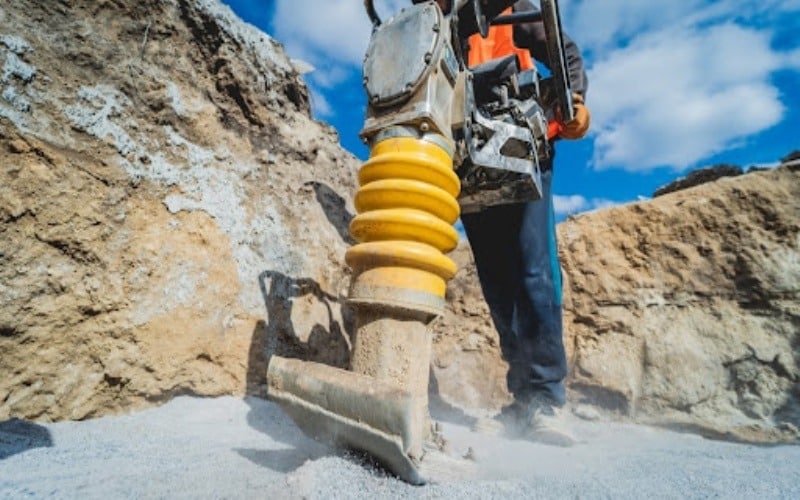

Vibrations are a common issue in industrial machinery, leading to increased wear and tear, noise, and even potential equipment failure. Understanding how to reduce vibrations can significantly improve the longevity and efficiency of your machinery. This article explores the nature of vibrations, their effects on machinery, and practical ways to mitigate them.
What are Vibrations?
Vibrations are oscillations of a mechanical system, usually caused by the rapid movement of components within a machine. These oscillations can occur in various forms, such as rotational, linear, or complex motion, depending on the machine’s design and operation. Vibrations are often the result of imbalances, misalignments, or external forces acting on the machinery.
In simpler terms, vibrations are the back-and-forth movements that occur when a machine’s moving parts are not perfectly balanced. These movements can be mild or severe, depending on the source and intensity of the disturbance. They occur in most machinery but need to be managed to prevent damage.
What are the Effects of Vibrations in Machinery?
Vibrations in machinery can have several detrimental effects, ranging from minor annoyances to severe operational issues. Some of the most common effects include:
- Increased Wear and Tear: Vibrations cause components to rub against each other, leading to accelerated wear and tear. This can shorten the lifespan of bearings, gears, and other critical parts.
- Noise Pollution: Excessive vibrations often generate noise, which can be disruptive in a work environment and harmful to workers’ hearing over time.
- Reduced Precision: In precision machinery, such as CNC machines or printing presses, vibrations can affect the accuracy and quality of the output.
- Structural Damage: Prolonged vibrations can cause structural damage to the machinery itself, including cracks and deformations.
- Energy Loss: Vibrations often result in unnecessary energy consumption, reducing the overall efficiency of the machine.
- Safety Hazards: Severe vibrations can pose safety risks, potentially leading to equipment failure or accidents that endanger workers.
How Can I Reduce the Vibrations in My Machinery?
Reducing vibrations in machinery involves a combination of preventive measures, regular maintenance, and the use of specialised components designed to dampen vibrations. Here are some effective strategies:
- Regular Maintenance: Regular inspection and maintenance are crucial. Check for worn-out bearings, loose bolts, or imbalanced components that could cause vibrations.
- Proper Alignment: Ensure that all rotating parts are correctly aligned. Misalignment is a major cause of vibrations and can be corrected through proper installation and adjustment.
- Balancing Rotating Parts: Imbalance in rotating components, such as fans, shafts, and pulleys, is a common source of vibrations. Balancing these parts can significantly reduce vibrations.
- Using Anti-Vibration Mounts: Anti-vibration mounts are specially designed to absorb and isolate vibrations. Installing these mounts can significantly reduce the transmission of vibrations to other parts of the machine or structure.
- Damping Materials: Adding damping materials to the machine’s structure can help absorb vibrational energy, reducing the intensity of oscillations.
- Isolation Pads and Shock Absorbers: Placing isolation pads or shock absorbers under machinery can help reduce vibrations by providing a cushion that absorbs the movement.
In conclusion, reducing vibrations in machinery is essential for maintaining performance, safety, and longevity. Implementing proper maintenance practices, ensuring proper alignment, and utilising anti-vibration mounts are effective ways to keep vibrations under control.