


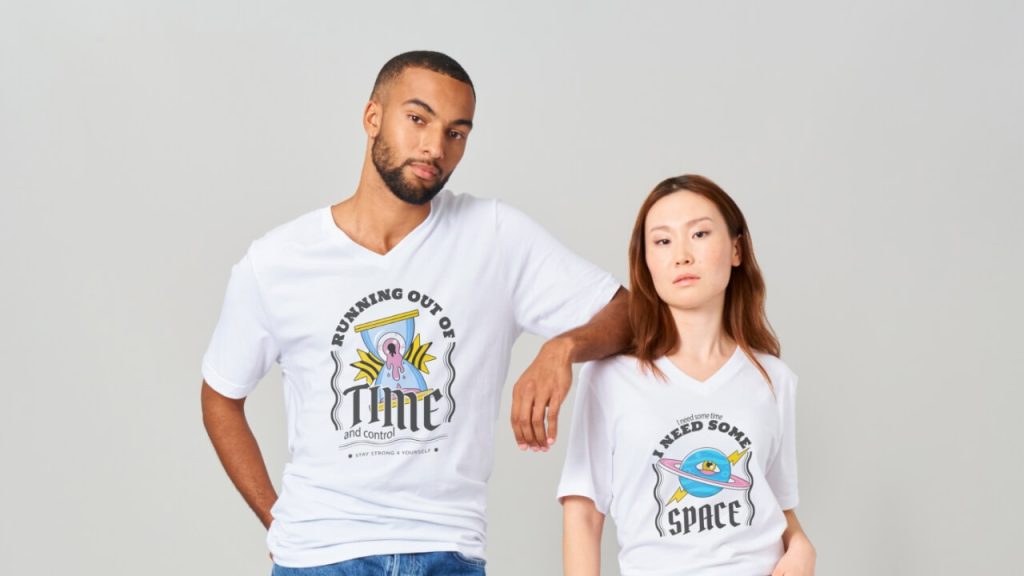
In recent years, custom t-shirt printing has surged in popularity, becoming a cornerstone of modern fashion. With endless possibilities for personalization, t-shirt printing allows individuals and brands alike to express their unique styles and messages. This shift is not just a fleeting trend but a significant transformation in how fashion operates. Custom t-shirt printing is democratizing fashion, making it more accessible, sustainable, and diverse.
The History of T-Shirt Printing
The journey of t-shirt printing began in the early 20th century. Originally, printed t-shirts were primarily used for promotional purposes, often featuring company logos or event details. The 1960s and 1970s saw a cultural revolution where t-shirts became canvases for self-expression, political statements, and artistic designs. Iconic images, such as Che Guevara’s face or peace symbols, adorned the shirts of many.
As the technology evolved, so did printing techniques. The introduction of screen printing in the mid-20th century marked a significant milestone. This method allowed for more intricate designs and mass production, making printed t-shirts more affordable and widespread. The 1980s and 1990s saw further advancements with the advent of digital printing technologies. Today, t-shirt printing has reached new heights, blending traditional methods with cutting-edge innovations.
Different Printing Methods and Printers
T-shirt printing encompasses various methods, each with unique advantages and applications. The most popular techniques include screen printing, direct-to-garment (DTG) printing, direct-to-film (DTF) printing, heat transfer printing, and sublimation printing. Each method utilizes different printers and technologies, catering to diverse needs in the fashion industry.
Direct-to-Garment (DTG) Printing
DTG printing represents a more recent innovation in t-shirt printing. This method involves using a specialized inkjet printer to apply ink directly onto the yuks. Printers such as the Epson SureColor F2100 and the Brother GTX are designed for DTG printing, offering high resolution and a wide color gamut. DTG printing excels in producing detailed, full-color images, making it perfect for intricate designs and photographs.
One of the primary advantages of DTG printing is its flexibility. Unlike screen printing, it requires minimal setup, making it ideal for small batches or one-off designs. However, DTG prints may not be as durable as screen prints and can be more expensive per unit for large orders.
Direct-to-Film (DTF) Printing
DTF printing is a newer method that involves printing designs onto a special film, which is then transferred onto the fabric using a heat press. The Prestige A4 DTF desktop printer , among others, is designed for this method, offering vibrant colors and excellent detail. DTF printing is versatile, allowing for high-quality prints on a wide range of materials, including cotton, polyester, and blends.
DTF printing provides the flexibility of DTG with the added benefit of being able to print on various fabrics. It is suitable for both small and large orders, and the prints are durable, withstanding multiple washes. Other popular DTF printers include the Epson L1800 and the PUNEHOD DTF L1800.
Screen Printing
Screen printing, also known as silkscreen printing, is one of the oldest and most enduring methods. This process involves creating a stencil (or screen) and using it to apply layers of ink on the fabric. Screen printing is renowned for its durability and vibrant colors. It’s particularly effective for large orders and simple designs with few colors.
Screen printing’s popularity lies in its ability to produce high-quality prints that last. However, it has its limitations, especially with complex, multi-color designs. The setup process can be time-consuming and costly, making it less ideal for small runs.
Heat Transfer Printing
Heat transfer printing involves transferring designs from a printed sheet onto a t-shirt using heat and pressure. This method can be divided into several subcategories, including vinyl heat transfers and digital heat transfers.
Vinyl heat transfers involve cutting designs from sheets of colored vinyl and pressing them onto the fabric. This technique is excellent for simple, single-color designs and offers good durability. Digital heat transfers, on the other hand, allow for full-color designs. These are printed onto special transfer paper and then applied to the fabric. Heat transfer printing is versatile and relatively easy to set up, but the prints may not be as long-lasting as those from screen or DTG printing.
Sublimation Printing
Sublimation printing is a unique method primarily used for synthetic fabrics. The process involves converting solid dye directly into gas without passing through a liquid state, which then permeates the fabric and solidifies. This results in vibrant, durable prints that are embedded into the fabric rather than sitting on top of it.
Sublimation printing is ideal for creating all-over designs that cover the entire t-shirt. However, it is limited to polyester fabrics and light-colored garments, which can restrict its use in some applications.
Customization and Personalization
In the era of fast fashion, customization and personalization have become crucial. Consumers are no longer satisfied with generic, mass-produced items. They seek unique pieces that reflect their personalities, beliefs, and tastes. Custom t-shirt printing caters to this demand by enabling anyone to create bespoke designs.
Personalized t-shirts are popular for various occasions, from family reunions and corporate events to fashion statements and everyday wear. The ability to customize colors, graphics, and text allows individuals to express themselves in ways that off-the-rack clothing cannot. This trend has given rise to a new wave of independent designers and small businesses that thrive on offering unique, custom apparel.
Eco-Friendly Printing Options
As awareness of environmental issues grows, so does the demand for sustainable fashion. Eco-friendly t-shirt printing options are becoming increasingly popular, driven by both consumer preference and regulatory pressures. Several sustainable practices and materials are being adopted to reduce the environmental impact of t-shirt printing.
Water-based inks, for example, are a greener alternative to traditional plastisol inks. They contain fewer harmful chemicals and are easier to clean up. Additionally, many companies are exploring organic and recycled fabrics to create eco-friendly t-shirts.
Digital printing methods, such as DTG, also contribute to sustainability by reducing waste. Traditional screen printing often involves a significant waste of ink and materials, especially during setup. In contrast, DTG printing only uses the ink required for each print, minimizing waste and environmental footprint.
The Role of Technology in T-Shirt Printing
Technology plays a pivotal role in the evolution of t-shirt printing. Advancements in printing equipment, software, and materials have significantly enhanced the capabilities of this industry. Modern printers offer high-definition prints and faster production times, making custom t-shirt printing more efficient and accessible.
Design software has also seen substantial improvements. Tools like Adobe Illustrator and CorelDRAW allow designers to create intricate, high-resolution graphics with ease. Moreover, user-friendly online platforms enable consumers to design their own t-shirts without needing advanced technical skills.
Automation and digital integration are further transforming the t-shirt printing landscape. Automated printing systems can handle large volumes with minimal human intervention, reducing labor costs and production times. Integration with e-commerce platforms allows for seamless order processing and fulfillment, enhancing the overall customer experience.
T-Shirt Printing and Social Media
Social media has a profound impact on fashion trends, and t-shirt printing is no exception. Platforms like Instagram, TikTok, and Pinterest are breeding grounds for viral fashion trends. Custom t-shirts, with their potential for quick turnaround and unique designs, are perfectly suited for this fast-paced environment.
Influencers and celebrities often use custom t-shirts to make statements, promote causes, or simply showcase their personal style. These designs can quickly gain traction and become widely popular. Brands and designers capitalize on this by creating limited-edition t-shirts that cater to these trends, driving both sales and brand visibility.
The interactive nature of social media also allows for direct consumer feedback. Designers can gauge the popularity of a design before mass production, reducing the risk of unsold inventory. This feedback loop is invaluable in a fashion landscape that values agility and responsiveness.
Conclusion
The revolution in t-shirt printing is reshaping the fashion industry in profound ways. From its humble beginnings to the sophisticated technologies of today, t-shirt printing has evolved into a powerful tool for personalization and expression. Different printing methods, such as screen printing, DTG printing, DTF printing, heat transfer printing, and sublimation printing, offer a range of options to meet diverse needs and preferences.
The emphasis on customization and eco-friendly practices aligns with contemporary consumer values, making t-shirt printing a sustainable choice for the future. Technological advancements continue to push the boundaries of what is possible, ensuring that t-shirt printing remains at the forefront of fashion innovation.
As social media amplifies trends and facilitates direct engagement with consumers, the impact of custom t-shirt printing is likely to grow even further. Whether for personal expression, promotional purposes, or fashion statements, printed t-shirts are here to stay, revolutionizing the way we think about and engage with fashion.