

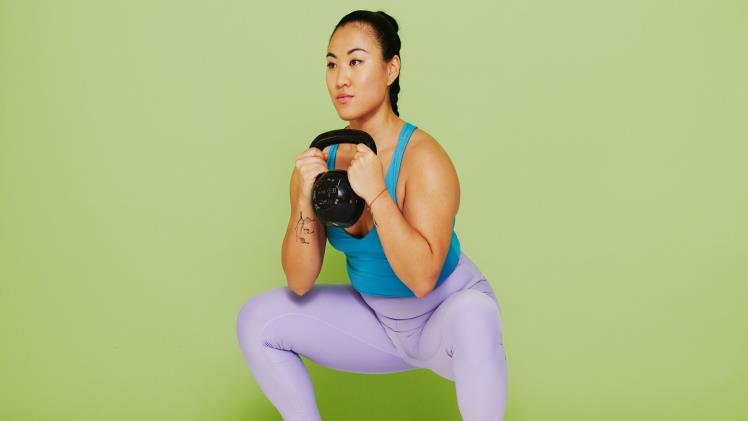

Kettlebell training has surged in popularity over the past decade, and for good reason. This dynamic form of exercise offers a full-body workout that improves strength, endurance, and flexibility while also enhancing cardiovascular health. Whether you’re a beginner or a seasoned athlete, determining the optimal frequency for your kettlebell training routine is essential for maximizing results and minimizing the risk of injury.
The Benefits of Kettlebell Training
Before diving into how often you should engage in kettlebell training, it’s worth understanding the benefits that this form of exercise offers:
- Full-Body Workout: Kettlebell exercises engage multiple muscle groups simultaneously, making them an efficient way to train your entire body.
- Improved Strength and Endurance: Regular kettlebell workouts help build muscle strength while also improving cardiovascular endurance.
- Enhanced Flexibility and Mobility: Many kettlebell movements require a full range of motion, which helps improve flexibility and joint mobility.
- Burns Fat and Builds Lean Muscle: Kettlebell training is effective for burning calories, making it an excellent tool for fat loss while promoting lean muscle growth.
- Versatility: A single kettlebell can be used for a wide range of exercises, making it a versatile tool for home workouts or gym settings.
Given these benefits, it’s no wonder that so many people are incorporating kettlebells into their fitness routines. However, one key question remains: How often should you train with kettlebells to achieve your goals?
Factors to Consider When Determining Training Frequency
The optimal frequency for a kettlebell training routine depends on several factors, including your fitness goals, experience level, recovery time, and overall health. Let’s explore each of these factors in detail.
Fitness Goals
Your specific fitness goals will largely dictate how often you should engage in kettlebell training. Here are some common goals and the recommended frequency for each:
- Strength Building: If your primary goal is to build strength, you’ll want to focus on performing kettlebell exercises that target major muscle groups, such as the kettlebell swing, snatch, and clean and press. For strength gains, training 3-4 times per week with adequate rest between sessions is recommended. This frequency allows your muscles to recover and grow stronger between workouts.
- Fat Loss: If fat loss is your primary objective, you might benefit from more frequent kettlebell workouts. Aim for 4-6 sessions per week, incorporating high-intensity interval training (HIIT) and circuit-style workouts. These routines elevate your heart rate and maximize calorie burn, leading to effective fat loss.
- Endurance and Cardiovascular Health: For those focusing on endurance and cardiovascular improvement, consider training 3-5 times per week. Include a mix of moderate to high-intensity sessions, such as kettlebell complexes, to build both muscle endurance and cardiovascular capacity.
- General Fitness and Maintenance: If you’re aiming for general fitness or maintenance, 2-3 kettlebell sessions per week can be sufficient. This frequency will help you maintain muscle tone, flexibility, and overall health without overtraining.
Experience Level
Your experience with kettlebell training also plays a significant role in determining how often you should train.
- Beginners: If you’re new to kettlebell training, start with 2-3 sessions per week. This frequency allows your body to adapt to the new movements and build a foundation of strength and technique. Gradually increase the intensity and frequency as you become more comfortable with the exercises.
- Intermediate: Once you’ve built a solid foundation, you can increase your training frequency to 3-4 times per week. At this stage, you’ll have a better understanding of your body’s response to kettlebell workouts and can adjust your routine accordingly.
- Advanced: Advanced kettlebell practitioners who are well-versed in technique and conditioning may train 4-6 times per week. At this level, you’ll have the experience to balance intensity, recovery, and progression effectively.
Recovery Time
Recovery is a critical factor in determining the frequency of your kettlebell training routine. Without adequate recovery, you risk overtraining, which can lead to injury and hinder your progress.
- Listen to Your Body: Pay close attention to how your body feels after each workout. If you’re experiencing excessive soreness, fatigue, or decreased performance, it may be a sign that you need more recovery time. Adjust your training frequency accordingly to prevent overtraining.
- Active Recovery: Incorporate active recovery days into your routine. On these days, you engage in low-intensity activities such as walking, yoga, or light stretching. This helps promote blood flow to the muscles and aids in recovery without putting additional strain on your body.
- Rest Days: Ensure that you’re taking at least one or two full rest days per week. These rest days are essential for muscle repair and overall recovery, allowing you to return to your kettlebell training routine with renewed energy and focus.
Overall Health and Lifestyle
Your overall health and lifestyle also influence how often you should train with kettlebells.
- Stress Levels: High levels of stress can impact your ability to recover from workouts. If you’re dealing with significant stress, consider reducing the frequency of your kettlebell sessions to avoid overloading your body.
- Sleep Quality: Adequate sleep is crucial for recovery and performance. If you’re not getting enough rest, it may be wise to limit your training frequency until your sleep improves.
- Nutrition: Proper nutrition supports recovery and energy levels. Ensure you’re consuming enough protein, carbohydrates, and healthy fats to fuel your workouts and aid in muscle repair.
- Age: As you age, your body may require more recovery time between workouts. Older adults should consider reducing training frequency or incorporating more active recovery days to prevent overtraining and reduce the risk of injury.
Sample Kettlebell Training Routines Based on Frequency
To give you a better idea of how to structure your kettlebell training routine, here are sample routines based on different training frequencies.
2-3 Times Per Week (Beginner/General Fitness)
Day 1: Full-Body Workout
- Warm-up: 5-10 minutes of light cardio
- Kettlebell Deadlift – 3 sets of 12 reps
- Kettlebell Swing – 3 sets of 15 reps
- Goblet Squat – 3 sets of 10 reps
- Kettlebell Row – 3 sets of 12 reps
- Cool-down: Stretching and mobility exercises
Day 2: Upper Body Focus
- Warm-up: 5-10 minutes of light cardio
- Kettlebell Clean and Press – 3 sets of 8 reps per side
- Kettlebell Floor Press – 3 sets of 12 reps
- Kettlebell Halo – 3 sets of 10 reps
- Kettlebell High Pull – 3 sets of 12 reps
- Cool-down: Stretching and mobility exercises
Day 3: Lower Body Focus
- Warm-up: 5-10 minutes of light cardio
- Kettlebell Goblet Squat – 3 sets of 10 reps
- Kettlebell Lunge – 3 sets of 10 reps per side
- Kettlebell Swing – 3 sets of 15 reps
- Kettlebell Deadlift – 3 sets of 12 reps
- Cool-down: Stretching and mobility exercises
4-5 Times Per Week (Intermediate/Endurance)
Day 1: Strength Focus
- Warm-up: 5-10 minutes of light cardio
- Kettlebell Deadlift – 4 sets of 10 reps
- Kettlebell Clean and Press – 4 sets of 6 reps per side
- Kettlebell Goblet Squat – 4 sets of 8 reps
- Kettlebell Row – 4 sets of 10 reps per side
- Cool-down: Stretching and mobility exercises
Day 2: Endurance and Cardio
- Warm-up: 5-10 minutes of light cardio
- Kettlebell Swing – 5 sets of 20 reps
- Kettlebell Snatch – 4 sets of 8 reps per side
- Kettlebell Burpee – 4 sets of 10 reps
- Kettlebell Jump Squat – 4 sets of 12 reps
- Cool-down: Stretching and mobility exercises
Day 3: Active Recovery
- Light cardio (walking, cycling, etc.)
- Yoga or stretching routine
Day 4: Strength and Power
- Warm-up: 5-10 minutes of light cardio
- Kettlebell Clean and Jerk – 4 sets of 6 reps per side
- Kettlebell High Pull – 4 sets of 10 reps per side
- Kettlebell Deadlift – 4 sets of 8 reps
- Kettlebell Swing – 4 sets of 15 reps
- Cool-down: Stretching and mobility exercises
Day 5: Flexibility and Mobility
- Yoga or Pilates session
- Foam rolling and stretching routine
6 Times Per Week (Advanced/High Intensity)
Day 1: Full-Body Strength
- Warm-up: 5-10 minutes of light cardio
- Kettlebell Clean and Press – 4 sets of 8 reps per side
- Kettlebell Goblet Squat – 4 sets of 10 reps
- Kettlebell Row – 4 sets of 12 reps per side
- Kettlebell Swing – 4 sets of 20 reps
- Cool-down: Stretching and mobility exercises
Day 2: High-Intensity Interval Training (HIIT)
- Warm-up: 5-10 minutes of light cardio
- Kettlebell Snatch – 4 sets of 10 reps per side
- Kettlebell Burpee – 4 sets of 12 reps
- Kettlebell Jump Squat – 4 sets of 15 reps
- Kettlebell Russian Twist – 4 sets of 20 reps
- Cool-down: Stretching and mobility exercises
Day 3: Active Recovery
- Light cardio (walking, cycling, etc.)
- Yoga or stretching routine
Day 4: Strength and Power
- Warm-up: 5-10 minutes of light cardio
- Kettlebell Deadlift – 4 sets of 8 reps
- Kettlebell Clean and Jerk – 4 sets of 6 reps per side
- Kettlebell High Pull – 4 sets of 10 reps per side
- Kettlebell Swing – 4 sets of 15 reps
- Cool-down: Stretching and mobility exercises
Day 5: Endurance and Cardio
- Warm-up: 5-10 minutes of light cardio
- Kettlebell Swing – 5 sets of 20 reps
- Kettlebell Snatch – 4 sets of 10 reps per side
- Kettlebell Burpee – 4 sets of 12 reps
- Kettlebell Jump Squat – 4 sets of 15 reps
- Cool-down: Stretching and mobility exercises
Day 6: Flexibility and Mobility
- Yoga or Pilates session
- Foam rolling and stretching routine
Day 7: Rest Day
- Complete rest and recovery
Conclusion
The frequency of your kettlebell training routine should be tailored to your individual fitness goals, experience level, recovery needs, and overall health. Whether you’re training 2-3 times a week as a beginner or engaging in high-intensity sessions 5-6 times a week as an advanced athlete, the key is to listen to your body and adjust your routine accordingly.
By finding the right balance between training and recovery, you can maximize the benefits of kettlebell training and achieve your fitness goals efficiently and safely.