

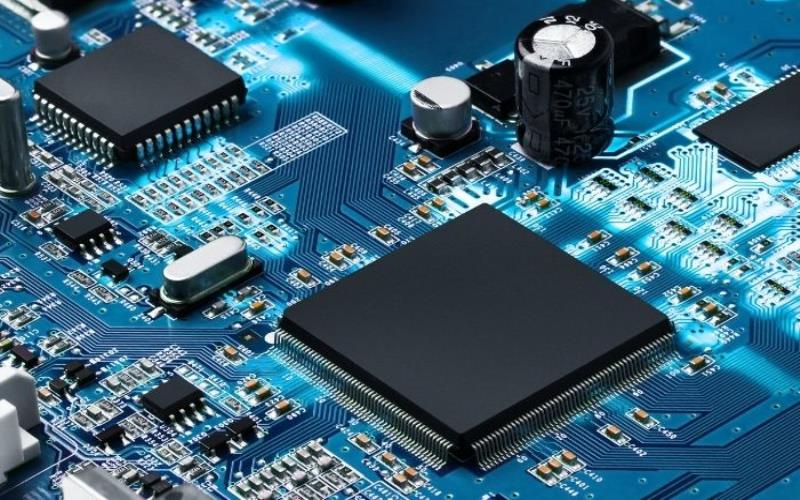

Where signals traverse intricate pathways and delicate components, ensuring reliable performance is paramount. One of the significant challenges faced by electronic devices is the interference caused by electromagnetic interference (EMI) and radio-frequency interference (RFI).
These disruptions can lead to malfunctions, data corruption, and compromised performance. To combat these issues, engineers rely on EMI RFI shielding materials, which play a crucial role in safeguarding electronic devices and maintaining their functionality.
Understanding EMI and RFI
Before delving into the importance of EMI RFI shielding materials, it’s essential to understand the nature of EMI and RFI. Electromagnetic interference (EMI) refers to the disturbance that affects the normal operation of an electronic device due to electromagnetic radiation or conduction.
On the other hand, radio-frequency interference (RFI) specifically involves interference caused by radio-frequency signals. Both EMI and RFI can originate from various sources, including other electronic devices, wireless communication systems, power lines, and even natural phenomena like lightning strikes.
The Role of EMI RFI Shielding Materials
RFI shield act as a barrier between electronic components and external sources of interference. These materials are designed to absorb, reflect, or dissipate electromagnetic radiation and radio-frequency signals, thereby preventing them from disrupting the operation of sensitive electronic circuits.
By effectively containing electromagnetic emissions and blocking external interference, EMI RFI shields help maintain signal integrity, reduce noise, and ensure the reliable performance of electronic devices.
Types of EMI RFI Shielding Materials
There is a wide range of materials used for EMI RFI shielding, each offering unique properties suited for different applications. Commonly used materials include:
Metallic Foils and Films
Thin metal foils such as copper, aluminum, and stainless steel are widely used for EMI RFI shielding due to their high conductivity and flexibility.
These foils can be easily applied to electronic enclosures, cables, and circuit boards to create an effective shield against electromagnetic interference.
Conductive Coatings
Conductive coatings, such as conductive paints and spray-on coatings, are applied to surfaces to provide EMI RFI shielding.
These coatings contain conductive particles or fibers dispersed in a binder material, forming a conductive layer that deflects electromagnetic radiation and attenuates interference.
Metalized Fabrics and Gaskets
Metalized fabrics and gaskets combine the flexibility of textiles with the shielding properties of metal.
These materials are often used to seal enclosure openings and create conductive pathways, preventing EMI RFI leakage and ensuring complete shielding effectiveness.
Conductive Plastics
Conductive plastics are polymers infused with conductive fillers such as carbon black or metal particles.
These materials offer lightweight and cost-effective solutions for EMI RFI shielding in applications where traditional metal shielding may be impractical.
Benefits of EMI RFI Shielding Materials
The use of EMI RFI shielding materials offers several key benefits for electronic devices:
Improved Signal Integrity
By reducing electromagnetic interference and radio-frequency noise, shielding materials help maintain the integrity of signals within electronic circuits, ensuring reliable communication and data transmission.
Enhanced EMC Compliance
Compliance with electromagnetic compatibility (EMC) standards is essential for electronic devices to operate safely and reliably in their intended environment.
EMI RFI shielding materials play a crucial role in achieving EMC compliance by minimizing emissions and susceptibility to interference.
Protection against External Interference
Electronic devices operating in environments with high levels of electromagnetic radiation or radio-frequency interference are particularly susceptible to performance issues.
EMI RFI shielding materials provide a protective barrier, shielding sensitive components from external sources of interference and ensuring uninterrupted operation.
Extended Component Lifespan
By reducing the exposure of electronic components to electromagnetic interference, shielding materials help prolong their lifespan and minimize the risk of premature failure, ultimately contributing to the reliability and durability of electronic devices.
Conclusion
EMI RFI shielding materials are indispensable for ensuring the reliable performance of electronic devices in an increasingly interconnected world.
By mitigating the effects of electromagnetic and radio-frequency interference, these materials help maintain signal integrity, protect sensitive components, and ensure compliance with regulatory standards.
As electronic devices continue to evolve and become more pervasive, the importance of EMI RFI shielding materials in safeguarding their functionality will only continue to grow.