


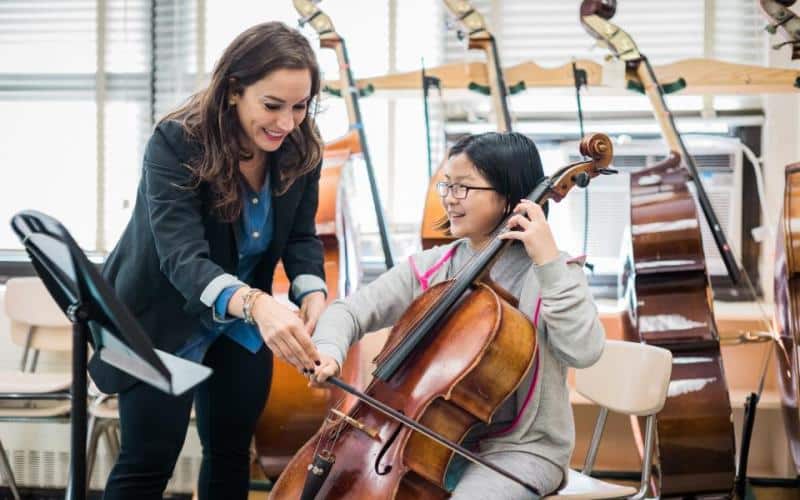
The Importance of Music Education
Music education is a cornerstone in shaping well-rounded individuals with skills that transcend the music room. Not only does it nurture creativity and imagination, but it also enhances students’ intellectual capabilities. Research consistently shows that students who participate in music education tend to excel in other academic areas such as mathematics, science, and language arts, due to the cognitive skills developed through musical training. Furthermore, music education instills discipline and resilience as students learn through practice and performance. This education also promotes emotional maturity, as students learn to interpret and express complex emotions through music, thus building stronger emotional intelligence and empathy. Moreover, music serves as a tool for social integration, providing a platform where cultural barriers dissolve through the universal language of melody and rhythm, fostering a learning environment rich in diversity and cooperation.
Challenges Faced by School Music Programs
Despite the recognized benefits, music programs often find themselves on the chopping block when budget cuts loom due to the prioritization of standard testing subjects. This has contributed to a steady erosion of music programs in schools, posing significant barriers to access for countless students. The lack of funding often results in insufficient resources such as instruments, sheet music, and qualified teachers. Many schools struggle to keep their programs afloat, facing the challenge of needing to do more with less. Here’s where supplemental financial resources play a critical role. Schools must actively explore external funding opportunities, including a guide to grants for music education. This guide can provide critical insight into obtaining grants, navigating the application process, and effectively utilizing funds to sustain and expand music education offerings.
The Role of the Community
Community engagement is pivotal in enriching and sustaining music education programs within schools. Engaged communities can bridge the gap between limited school resources and the expansive needs of a thriving music program. Residents and organizations can extend their support in myriad ways, whether through financial contributions, volunteering, or advocacy. Community members become advocates, articulating the indispensable value of music education and its impact on youth development. Schools can build a robust support network by rallying parental support and engaging local businesses.
Creative Fundraising Ideas
Fundraising is a lifeline for many school music programs; creativity can significantly enhance these efforts. Successful fundraising encompasses more than just collecting money; it’s about cultivating a culture of giving and engagement. Benefit concerts and talent shows are traditional but effective methods, allowing students to showcase their skills while engaging audiences emotionally and financially. Schools can also harness the power of technology and social media with crowdfunding campaigns on platforms, reaching alumni and well-wishers far beyond geographical confines. Additionally, partnerships with local businesses can provide mutual benefits—businesses gain community visibility and advertisement opportunities, while schools receive much-needed financial support. By presenting a clear vision of how funds will be used to benefit students, schools can inspire confidence and generosity among potential donors.
Volunteering and Involvement
Volunteering is another invaluable contribution that community members can make to school music programs. Volunteers can offer their time, skills, and expertise, significantly enhancing the scope and quality of music education. For instance, local musicians can conduct workshops or masterclasses, introducing students to new instruments or genres. Parents and other community members can help organize events, manage fundraising activities, and handle logistics, which eases the administrative burden on educators and allows them to focus more on teaching. By actively participating, volunteers provide students with role models and mentors, offering them opportunities for personal growth and inspiration. Volunteers also bring diverse perspectives and ideas, enriching the educational experience and fostering an inclusive and supportive community environment.
Building Partnerships for Greater Impact
Strategic partnerships can significantly enhance the effectiveness and impact of school music programs. By collaborating with local arts organizations, music schools, and industry leaders, schools can give students unprecedented access to resources and opportunities. These partnerships can facilitate joint workshops and performances, exchange programs, and access to professional networks, nurturing a professional interest in music education. Furthermore, partnerships with educational technology companies can introduce cutting-edge tools and teaching methods into the classroom. According to Edutopia, integrating technology modernizes the learning experience and democratizes access to high-quality music education, breaking down barriers related to geography and socio-economic status.
Influencing Education Policy
While grassroots efforts are crucial, influencing policy at the educational district, state, or national level is indispensable for the sustained success of music programs. Policy change can lead to increased funding, equitable distribution of resources, and recognition of music as an essential component of a balanced curriculum. Advocacy efforts should emphasize the comprehensive benefits of music education, supported by data and testimonials from educators, students, and community members. Organizing forums, town hall meetings, and campaigns that bring visibility to the issue can create a strong public mandate for policy reform. Successful advocacy can catalyze systemic improvements, ensuring that music education is embedded into the fabric of the educational system, not as a luxury, but as a necessity that enriches students’ academic journey and personal development.