

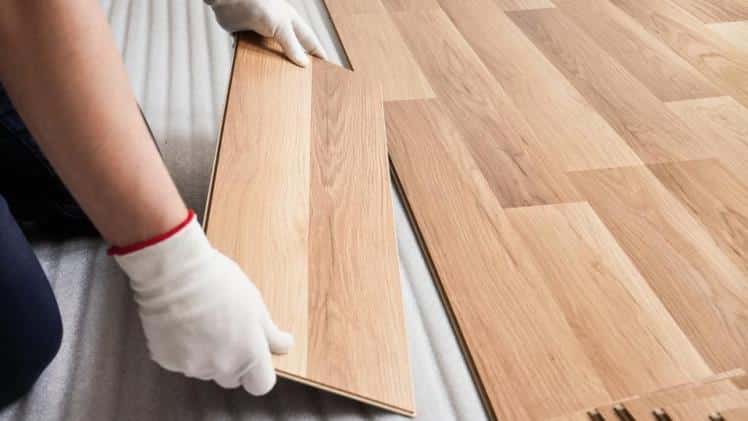

Engineered floors have become one of the most popular choices for homeowners looking to upgrade their flooring. Known for their durability, aesthetic appeal, and versatility, these floors are an excellent alternative to traditional hardwood. Whether you’re remodeling your home, designing a new space, or just curious about flooring options, engineered floors offer many advantages.
In this blog, we’ll discuss everything you need to know about engineered floors: what they are, how they compare to other types of flooring, their benefits, installation methods, and maintenance tips.
What Are Engineered Floors?
Engineered floors are a type of wood flooring made from multiple layers of materials. Unlike solid hardwood flooring, which consists of a single piece of wood, engineered floors are composed of several layers bonded together. The top layer, also known as the “wear layer,” is made of natural hardwood, giving it the same look and feel as solid wood. The layers beneath, usually made of plywood or high-density fiberboard (HDF), provide stability and support.
This structure makes engineered floors more resistant to moisture and temperature fluctuations than traditional hardwood. They are ideal for areas like basements, kitchens, and bathrooms, where solid hardwood may warp or buckle.
How Are Engineered Floors Made?
The manufacturing process of engineered floors involves combining different layers of wood materials to create a strong and stable product. Here’s a breakdown of the layers:
- Top Layer (Wear Layer): This is a veneer of real hardwood, which can range from oak and maple to exotic woods like teak or Brazilian cherry. Depending on its thickness, this layer is responsible for the floor’s aesthetic appearance and can be sanded and refinished.
- Core Layer: This is made of plywood, HDF, or softwood layers arranged in a crisscross pattern. The cross-grain construction minimizes the natural expansion and contraction of the wood, making the floor more stable.
- Bottom Layer: The backing layer adds structural integrity to the flooring. It supports the other layers and helps prevent warping.
Types of Engineered Floors
There are various types of engineered floors, and choosing the right one depends on your preferences, budget, and the room where it will be installed. The two main categories are:
- Click-Lock Engineered Floors: These floors have a locking mechanism that allows the planks to snap together without the need for glue or nails. This type of floor is ideal for DIY installation and can be laid over various subfloors.
- Tongue and Groove Engineered Floors: These floors are installed by fitting the tongue of one plank into the groove of another, usually requiring adhesive or nails for a secure fit. This method provides a more traditional look and is often more durable in the long run.
Additionally, engineered floors can vary in thickness based on the thickness of the wear layer. Thicker wear layers allow for multiple sandings and refinishes, extending the floor’s life.
Benefits of Engineered Floors
Engineered floors offer several advantages that make them a preferred choice for homeowners and builders alike. Here are some of the key benefits:
Engineered floors offer a versatile and durable option for homeowners seeking the beauty of wood without the high maintenance. They are designed to withstand changes in humidity and temperature, making them ideal for various climates. For those interested in a more traditional look, affordable solid wood strip floors services provide an excellent alternative. These services offer the timeless elegance of solid wood with the added benefit of affordability, ensuring that you can achieve the desired aesthetic without compromising on quality. Whether you choose engineered or solid wood, both options enhance the warmth and character of any space.
Durability
One of the main advantages of engineered floors is their durability. The multiple layers of wood provide a strong foundation that resists warping, bowing, and other forms of damage. Engineered floors are designed to handle heavy foot traffic and can last for decades when properly maintained.
Moisture Resistance
Due to their layered construction, engineered floors can better handle moisture than solid hardwood. This makes them suitable for areas with high humidity or moisture levels, such as kitchens, bathrooms, and basements.
Versatility
Engineered floors are available in a wide range of styles, finishes, and wood species. Whether you prefer the classic look of oak or the bold statement of exotic hardwoods, engineered floors can deliver the aesthetic you’re looking for. Additionally, they can be installed over different types of subfloors, including concrete, making them a versatile option for various spaces.
Ease of Installation
Thanks to innovations like click-lock mechanisms, installing engineered floors can be straightforward. Many homeowners opt for engineered floors because they are easier to install than solid hardwood, which typically requires professional installation. With engineered floors, DIY enthusiasts can often handle the project themselves.
Affordability
While engineered floors are made with a real wood surface, they tend to be more affordable than solid hardwood flooring. This cost-effectiveness allows homeowners to enjoy the beauty and luxury of hardwood at a fraction of the price.
Environmentally Friendly
Because engineered floors use less hardwood than solid wood floors, they are considered more eco-friendly. The core layers are often made from fast-growing, sustainable wood species, making engineered floors a greener choice for the environmentally conscious homeowner.
How to Install Engineered Floors
There are several installation methods for engineered floors, depending on the type you choose and your skill level. Here are the most common methods:
- Floating Installation: This method involves placing the engineered floor planks over the subfloor without any adhesive or nails. The planks are connected using a click-lock system, making it a popular choice for DIY installations. A foam underlayment is typically used for cushioning and soundproofing.
- Glue-Down Installation: In this method, a strong adhesive is applied to the subfloor, and the engineered floor planks are laid on top. This method is more permanent and provides better sound absorption, making it ideal for multi-level homes.
- Nail-Down Installation: This method involves nailing or stapling the planks to a wooden subfloor. It offers a more secure fit but requires a professional or someone with carpentry experience.
- Staple-Down Installation: Similar to the nail-down method, this installation uses staples instead of nails to secure the floorboards.
Maintenance Tips for Engineered Floors
Proper maintenance is key to keeping your engineered floors looking beautiful and ensuring they last for years. Here are some maintenance tips to follow:
- Regular Cleaning: Sweep or vacuum your engineered floors regularly to remove dirt and debris that can scratch the surface. Use a soft-bristle broom or a vacuum with a hardwood floor attachment to avoid damaging the finish.
- Use a Damp Mop: When cleaning your floors, use a damp mop with a cleaner specifically designed for wood floors. Avoid using excessive water, as it can seep into the seams and cause damage.
- Protect from Scratches: Place felt pads under furniture legs to prevent scratching. If you have pets, keep their nails trimmed to avoid gouging the surface of the floor.
- Avoid Harsh Chemicals: Never use abrasive cleaners, wax, or oil-based products on engineered floors, as they can damage the finish.
- Refinishing: Depending on the thickness of the wear layer, engineered floors can be sanded and refinished several times. Thicker wear layers allow for more refinishing, which can extend the life of the floor.
Engineered Floors vs. Solid Hardwood
One of the most common questions homeowners ask is whether to choose engineered floors or solid hardwood. Here’s a quick comparison to help you decide:
- Durability: While solid hardwood can be more durable in the long run (since it can be sanded and refinished multiple times), engineered floors offer more stability and resistance to moisture and temperature changes.
- Installation: Engineered floors are generally easier to install, especially for DIY projects, while solid hardwood often requires professional installation.
- Cost: Engineered floors tend to be more affordable than solid hardwood, making them a better choice for budget-conscious homeowners.
- Appearance: Both types of flooring offer the same beautiful wood appearance, as the top layer of engineered floors is made from real wood. However, the ability to refinish solid hardwood more times may give it a slight edge in long-term aesthetics.
Conclusion
Engineered floors are an excellent choice for homeowners looking for a beautiful, durable, and versatile flooring option. They combine the natural beauty of hardwood with modern engineering to create a product that can withstand moisture, temperature fluctuations, and heavy traffic. With proper care and maintenance, engineered floors can last for decades, providing a stylish and long-lasting addition to any home. Whether you’re installing them in a high-traffic living room or a moisture-prone basement, engineered floors are designed to meet the demands of modern living.