

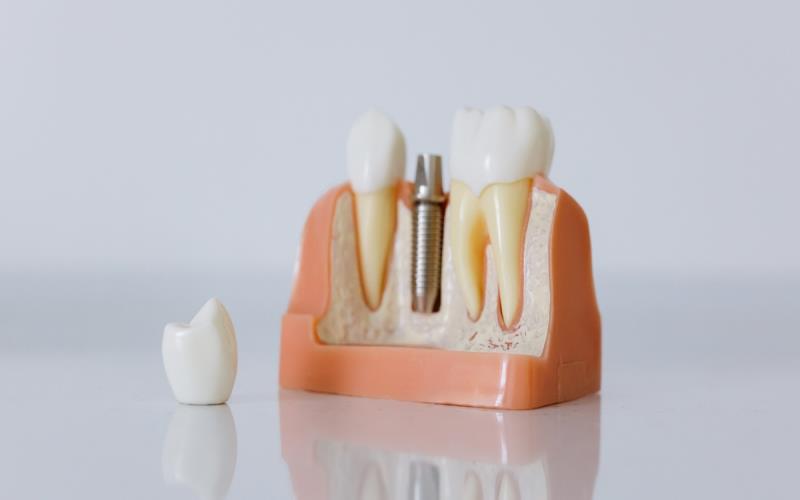

Advancements in dental prosthetics have revolutionized patient care, offering unparalleled comfort, aesthetics, and functionality. As a dentist, I’ve witnessed firsthand how these innovations can dramatically improve the quality of life for patients, restoring not just their smiles, but also their confidence and overall well-being.
In this article, we’ll explore how cutting-edge materials, technology, and design elevate the standard of care in prosthetic dentistry, ensuring that patients receive solutions tailored to their unique needs. From customized prosthetics to digital workflows, the future of dental care is here, and it’s more promising than ever.
The Role of Advanced Materials in Modern Prosthetics
The materials used in dental prosthetics play a critical role in determining the success and longevity of treatments. In recent years, advancements in material science have dramatically transformed the field, offering patients prosthetics that are more realistic, durable, and comfortable than ever before.
These innovative materials not only enhance the aesthetic appeal of dental restorations but also improve their functionality and longevity.
- Enhanced Aesthetics: Modern materials like zirconia and lithium disilicate offer exceptional translucency and color matching, closely mimicking natural teeth.
- Improved Strength and Durability: Advanced ceramics and composite resins are engineered to withstand chewing and grinding, reducing the risk of fractures.
- Biocompatibility: New materials are designed to integrate seamlessly with the body, minimizing the risk of allergic reactions and promoting long-term oral health.
- Versatility: These materials can be used for a wide range of prosthetics, from crowns and bridges to full dentures, offering tailored solutions for each patient.
- Longevity: With superior wear resistance and minimal maintenance, modern prosthetics made from these materials have a longer lifespan, providing patients with lasting results.
- Reduced Sensitivity: Innovations in material technology have led to prosthetics that cause less sensitivity, ensuring greater comfort for patients, especially after placement.
- Cost-Effectiveness: While some advanced materials may have a higher upfront cost, their durability and low maintenance needs often result in cost savings over time.
- Environmental Considerations: Many new materials are developed with sustainability in mind, reducing environmental impact through more efficient manufacturing processes and longer-lasting products.
Customized Solutions for Improved Patient Outcomes
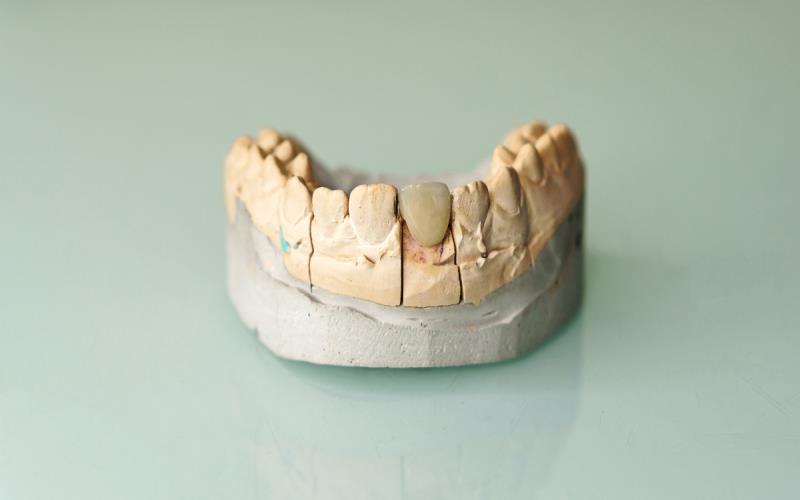
In the realm of dental prosthetics, one-size-fits-all solutions are a thing of the past. Today’s advancements in customization have allowed us to deliver prosthetics that are tailored to the unique needs of each patient, leading to significantly better outcomes.
By focusing on personalized care, we can enhance both the functionality and aesthetics of dental restorations, ultimately improving the patient’s overall experience and satisfaction.
- Tailored Fit: Customized prosthetics are designed from detailed scans and impressions, ensuring a perfect fit that feels natural and comfortable.
- Optimized Functionality: Personalized prosthetics match the patient’s specific bite and jaw movements, improving chewing and speaking functions.
- Enhanced Aesthetic Appeal: Prosthetics can be color-matched and shaped to blend seamlessly with the patient’s natural teeth, enhancing their smile.
- Improved Comfort: A customized approach minimizes the risk of irritation and slippage, ensuring greater comfort for the patient.
- Better Longevity: Tailored prosthetics are less likely to cause damage to surrounding teeth, contributing to a longer lifespan for both the prosthetic and the natural teeth.
- Increased Patient Satisfaction: Patients are more satisfied with prosthetics that look, feel, and function like their natural teeth, leading to higher overall treatment success.
- Holistic Care: Custom solutions consider the patient’s entire oral health, not just the missing tooth, leading to more comprehensive and effective treatment plans.
- Faster Adaptation: Patients adapt more quickly to customized prosthetics, as they are designed specifically for their mouth’s unique structure.
The Impact of Technology on Prosthetic Precision
Technological advancements have profoundly transformed the field of dental prosthetics, enabling dentists to deliver more precise, comfortable, and aesthetically pleasing solutions to patients. These innovations have enhanced every aspect of the prosthetic process, from diagnosis to final placement, resulting in better patient outcomes and higher satisfaction.
Below, we’ll explore four key areas where technology has made a significant impact on prosthetic precision.
1. Digital Impressions for Accurate Fitting
Traditional dental impressions, often associated with discomfort and inaccuracy, are being replaced by digital impressions. Intraoral scanners capture detailed, three-dimensional images of a patient’s teeth and gums, allowing for highly accurate digital models. This precision ensures that the resulting prosthetics fit perfectly, reducing the need for adjustments and improving patient comfort.
2. Computer-Aided Design and Manufacturing (CAD/CAM)
CAD/CAM technology has revolutionized the way dental prosthetics are designed and manufactured. By using digital impressions, dentists and dental technicians can design prosthetics with unparalleled accuracy. The computer-aided design is then transferred to milling machines or 3D printers, which fabricate the prosthetics with precision. This process not only speeds up production but also enhances the quality and consistency of the final product.
3. 3D Printing in Dental Prosthetics
3D printing has become a game-changer in the creation of dental prosthetics. This technology allows for the rapid production of highly detailed and customized prosthetics, from crowns and bridges to full dentures. The precision of 3D printing minimizes the margin of error, ensuring that the prosthetics fit perfectly and function optimally. Additionally, it offers the flexibility to quickly produce prototypes for patient approval, further enhancing the customization process.
The use of biocompatible materials in 3D printing also ensures durability and safety, making these prosthetics not only highly functional but also long-lasting. According to this experienced dentist in Gloucester VA, this innovation has significantly streamlined the workflow in dental practices, reducing turnaround times and improving patient satisfaction
4. Improved Diagnostic Imaging
Advancements in diagnostic imaging, such as cone beam computed tomography (CBCT), provide dentists with high-resolution, three-dimensional views of a patient’s oral structures. This level of detail is crucial for planning and placing dental prosthetics with pinpoint accuracy. By understanding the exact anatomy of the patient’s mouth, dentists can create prosthetics that align perfectly with the natural teeth and jaw, reducing the risk of complications and ensuring long-term success.
In conclusion
The integration of advanced materials, customized solutions, and cutting-edge technology has redefined the standards of care in dental prosthetics. These innovations are not just about improving the durability or aesthetics of prosthetic devices but are fundamentally about enhancing patient care.
By embracing these advancements, we as dental professionals can provide our patients with prosthetics that are more comfortable, natural-looking, and long-lasting, ultimately improving their quality of life. For dentists committed to offering the best in patient care, staying updated with these technological advancements is not just an option but a necessity.