

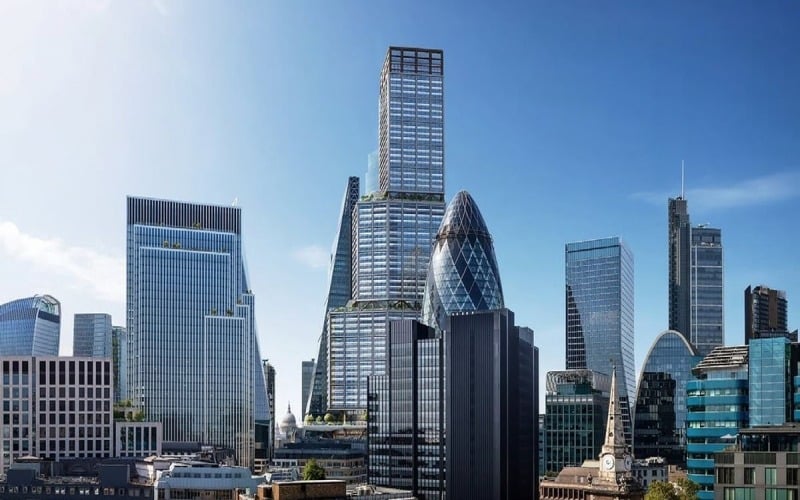

When walking through the streets of London, the innovative and inspiring work of London’s top architects is hard to ignore. Arching bridges, sculpted skyscrapers, and beautifully preserved historical buildings come together to paint an eclectic city skyline. With each building acting like an artist’s signature on a canvas, let’s explore the unique elements defining the architectural landscape of this illustrious city.
A Blend of Old and New
One of the most fascinating aspects of London’s architectural panorama is the exciting blend of old and new. The cityscape tells a rich tale of history, with beautiful buildings dating back to different eras. From the Gothic grandeur of the Houses of Parliament to the Baroque brilliance of St. Paul’s Cathedral, each of these architectural feats has its unique charm and style representing a respective era.
Contrastingly, contemporary architectural jewels dot the city’s skyline, offering a refreshing break from the beautifully aged structures. The Gherkin, with its unique form of a giant pickle, and the towering Shard, the tallest building in Western Europe, give London a futuristic look. Silver high rises, glass exteriors, and unconventional shapes characterise the experimental style of modern London architecture.
The Signature styles: From Norman Foster to Zaha Hadid
London’s skyline would be rather underwhelming without the exceptional works of many noted architects. Sir Norman Foster is one of them whose brainchild, the Gherkin, has become one of the capital’s most recognisable landmarks since its completion in 2003. His functionalist and hi-tech approach has set a standard in architectural engineering.
Zaha Hadid, also known for her avant-garde approach, contributed to London’s architectural landscape with her distinct neo-futuristic style. Her masterpiece, the London Aquatics Centre, is a testament to the harmonious blend of form and function, featuring wave-like roofing and a massive pool that seems to defy gravity.
Eco-Friendly Architecture
Sustainability is an essential consideration in today’s architectural design and London is no stranger to this trend. Many of the city’s newer buildings have been designed with environmental factors in mind, striving for optimal energy efficiency. The Crystal, one of the world’s greenest buildings, and Tate Modern, with its solar-powered energy, both testify to this design philosophy.
Conclusion
From Roman bricks to stainless steel skyscrapers, London’s architecture is a visual narrative that takes us on a journey through time. It’s a place where centuries-old cathedrals blend seamlessly with towering modern skyscrapers, each revealing the signature style of their respective architects. Every corner of this city holds an architectural marvel that could only have been brought to life by those daring enough to push boundaries, a trait typical among London’s top architects. As we watch the skyline continuously evolve, London’s architectural journey promises to be a spectacular one.