

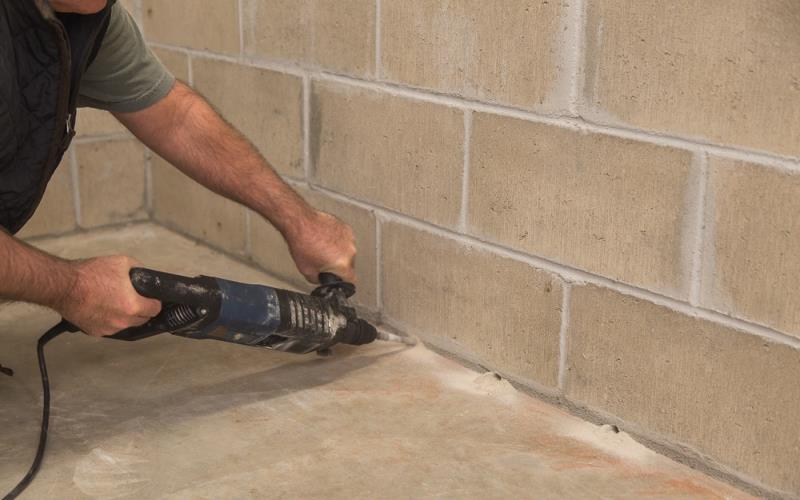

Hydrostatic pressure on basement walls is a common cause of water seepage, basement flooding, and structural damage in homes. As groundwater accumulates in the soil around your foundation, it exerts pressure on basement walls, potentially forcing water through even small cracks or porous areas. To protect your basement, it’s essential to understand preventive measures and solutions to manage hydrostatic pressure effectively.
What Is Hydrostatic Pressure?
Hydrostatic pressure is the force exerted by groundwater surrounding your basement’s foundation. This pressure increases when:
- Water Table Rises: During heavy rains or snowmelt, the groundwater level around your foundation rises, exerting more pressure on the walls.
- Poor Drainage Conditions: Clay-heavy or compacted soil retains water longer, leading to prolonged pressure on the foundation.
- Slope and Grading Issues: If the land around your home slopes toward the foundation, water accumulates and adds to the pressure.
Over time, hydrostatic pressure can cause foundation cracks, basement wall bowing, and water seepage, which leads to mold, mildew, and structural damage.
Prevention: Minimizing Hydrostatic Pressure on Basement Walls
Preventing hydrostatic pressure wall involves addressing the conditions that lead to water accumulation around the foundation. Here are the top strategies:
Improve Grading Around the Foundation:
Ensure the soil slopes away from your home, ideally with a 5% grade (about 6 inches for every 10 feet) to prevent water from pooling near the foundation. Proper grading directs water away from basement walls and helps relieve pressure.
Install Proper Drainage Systems:
- Exterior French Drains: These are trenches filled with gravel and a perforated pipe, installed along the foundation’s perimeter. They collect and channel groundwater away, preventing pressure buildup.
- Interior French Drains: Installed along the inside perimeter of your basement floor, interior French drains collect any water that seeps in and direct it to a sump pump.
- Gutters and Downspouts: Make sure your gutters and downspouts are clear of debris and extend at least 6 to 10 feet away from the foundation.
Apply Exterior Waterproofing Membranes:
Waterproof membranes applied to the exterior of basement walls form a barrier against moisture. These membranes are particularly useful in areas with high water tables or clay-heavy soil that retains water.
Seal Basement Walls and Cracks:
Sealing cracks in basement walls prevents water from seeping through vulnerable points. Epoxy or polyurethane injections are durable options for sealing cracks, helping to reinforce the walls against pressure.
Install Window Well Covers:
If your basement has windows below ground level, consider adding window well covers. These covers keep rainwater out of window wells, preventing it from accumulating and leaking into the basement.
Solutions: Handling Hydrostatic Pressure on Basement Walls
If your basement is already experiencing hydrostatic pressure, a combination of interior and exterior solutions can help alleviate the issue:
Install a Sump Pump:
A sump pump is essential for managing water that accumulates around or seeps into the basement. Positioned in a pit, the sump pump collects water from the French drain or directly from the ground and pumps it away from the foundation. Consider a battery backup to keep the sump pump functional during power outages.
Use Interior Sealants and Coatings:
Interior waterproof coatings, such as epoxy or masonry sealants, can help protect basement walls from water seepage. While not a permanent solution, these coatings provide an extra barrier that keeps minor seepage at bay.
Consider Wall Anchors or Reinforcements:
For basement walls that have begun to bow or crack due to hydrostatic pressure, wall anchors or carbon fiber reinforcements can provide structural support. Wall anchors are metal plates installed in the ground outside your home and attached to the basement wall, pulling it back to its original position over time.
Install a Drain Tile System:
A drain tile system consists of perforated pipes placed around the foundation’s perimeter (either inside or outside) to collect water and relieve pressure. Combined with a sump pump, drain tiles channel groundwater away from basement walls effectively.
Excavate and Waterproof Exterior Walls:
In severe cases, excavation may be necessary to access the exterior basement walls for waterproofing. During this process, a waterproof membrane is applied, and an exterior drainage system, such as a French drain, is often installed to direct water away from the foundation.
Manage Yard and Landscape Drainage:
Ensure that surrounding landscaping, such as flower beds, walkways, or other features, does not contribute to water pooling around the foundation. If needed, install surface drains or swales to guide rainwater away from the basement.
Regular Maintenance: Keeping Hydrostatic Pressure Under Control
Even after implementing preventive and corrective measures, ongoing maintenance is essential for keeping hydrostatic pressure in check:
- Check Grading and Soil Settling: Over time, soil around the foundation can settle or erode, changing the slope. Regularly check the grading and regrade if necessary to maintain a slope away from the foundation.
- Maintain Your Drainage System: Clear gutters, downspouts, and French drains regularly to prevent blockages that can lead to water pooling. Periodically test your sump pump to ensure it’s working properly, especially before rainy seasons.
- Inspect Basement Walls for New Cracks: Check walls and floors for any new or widening cracks. Small cracks can be sealed promptly to prevent water intrusion, and larger ones should be evaluated by a professional.
- Consider Seasonal Solutions: During periods of heavy rain or snowmelt, additional temporary measures, such as using sandbags or temporarily extending downspouts, may help control water flow around your home.
Conclusion
Dealing with hydrostatic pressure on basement walls requires a combination of proactive prevention and effective solutions. From improving drainage and waterproofing the exterior to installing interior sump pumps and reinforcements, each strategy plays a role in protecting your basement from water damage. With proper planning and regular maintenance, you can manage hydrostatic pressure effectively and keep your basement dry and structurally sound over time.