

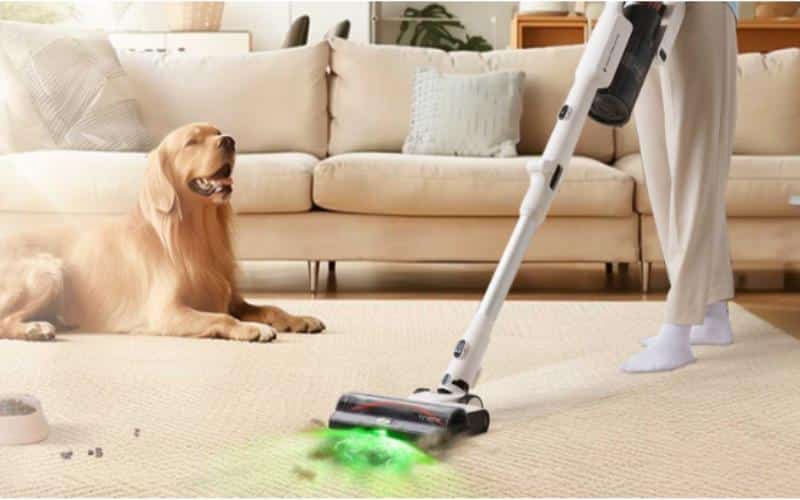

Vacuuming is a key component of maintaining a clean home, but many people unknowingly make mistakes that reduce the effectiveness of their cleaning efforts. These errors can lead to inefficient cleaning, decreased suction, and even damage to the vacuum itself. By understanding and avoiding these common vacuuming mistakes, you can improve your cleaning routine and extend the life of your vacuum cleaner.
Wrong Floor Type
Using a vacuum on the wrong floor type can lead to ineffective cleaning and even damage to your floors. For example, using a vacuum meant for carpets on hardwood floors can scratch and damage the surface. Ensure that your vacuum is designed for the floor type you’re cleaning. A cordless vacuum can often be versatile and work well on both carpet and hard floors, but you should still verify its compatibility with various surfaces.
Overfilled Dustbin
When the dustbin or vacuum bag becomes too full, the suction power of your vacuum will decrease significantly. A full dustbin makes it harder for the vacuum to pick up debris, leading to subpar cleaning results. Make it a habit to empty the dustbin regularly to maintain suction and performance. For cordless vacuums, which have smaller dustbins, emptying them frequently is especially important to prevent clogs and maintain efficiency.
Dirty Filters
Vacuum filters trap dust and allergens, and when they become clogged, they reduce the airflow and suction power of the vacuum. Failing to clean or replace the filters regularly can make the vacuum less effective. If your vacuum has a washable filter, make sure to clean it often to maintain its performance. Even with a cordless vacuum, it’s crucial to keep the filters clean to ensure optimal air quality and maximum suction.
Wet Surfaces
Vacuuming wet surfaces is a mistake many people make, especially if the vacuum isn’t designed for moisture. Most vacuums, including cordless models, are not built to handle wet debris. When vacuuming wet floors, you risk damaging the vacuum and clogging the internal components. Always ensure that the floor is dry before you start vacuuming to avoid potential damage and maintain the vacuum’s longevity.
Skipping Corners
Vacuuming open areas but neglecting corners and edges is a common mistake. Dust, dirt, and pet hair tend to accumulate in these areas, and failing to clean them can leave your home looking less than spotless. Modern vacuums, including cordless models, often come with attachments that help clean corners and edges effectively. Take the extra time to vacuum these areas for a more thorough clean and to ensure no dirt is left behind.
Wrong Vacuum Height
Many vacuums, especially traditional models, allow you to adjust the height for different floor types. Failing to make these adjustments can result in inefficient cleaning. For example, if you don’t lower the vacuum height for thick carpets, you may not get enough suction to remove dirt effectively. Adjusting the height ensures that the vacuum works optimally, whether you’re cleaning carpets or hard floors. Cordless vacuums may have different height settings, so always adjust them for the best results.
Vacuuming Too Fast
Moving the vacuum too quickly across the floor can hinder its ability to pick up dirt and debris. Vacuuming at a fast pace doesn’t give the vacuum enough time to properly suck up particles. Instead, move the vacuum at a moderate speed, allowing the suction power to effectively remove dirt from the carpet or floor. This is important for all vacuums, including cordless vacuums, which rely on efficient suction for thorough cleaning.
Improper Hose Use
Many people fail to extend the vacuum hose properly, limiting its reach and making it harder to clean areas like under furniture or along baseboards. Using a carpet cleaner machine can help improve your ability to clean these areas effectively. Fully extending the hose allows you to clean hard-to-reach spots with ease. When using the vacuum hose, ensure that it is properly connected and that you are using it at the right angle for maximum suction.
Dirty Brushes
Vacuum brushes are designed to lift dirt from carpets, but over time, hair and other debris can get tangled in them, reducing their effectiveness. If the brushes are clogged, they won’t be able to agitate and lift dirt properly, leading to a less thorough clean. Regularly check and clean the vacuum brushes to ensure they remain free from tangles and debris. This is especially important for cordless vacuums, which may have smaller, more delicate brushes that can easily get clogged.
Lack of Maintenance
Routine maintenance is essential for keeping your vacuum running smoothly. Without regular maintenance, issues such as clogs, worn-out belts, and reduced suction can arise. Check for blockages, inspect the belt, and ensure the vacuum is in good working order. This is important for both traditional and cordless vacuums, as neglecting maintenance can lead to costly repairs and a shorter vacuum lifespan.
Wrong Settings
Many vacuums come with different settings to cater to different cleaning needs. Using the wrong setting for a particular surface can either damage the floor or result in ineffective cleaning. For example, using a high suction setting on delicate rugs can cause damage, while using a low setting on thick carpets can leave dirt behind. Adjust the vacuum settings to suit the type of floor you’re cleaning for optimal performance.
Not Charging Vacuum
One of the most common mistakes with cordless vacuums is failing to charge them properly. Cordless vacuums rely on battery power, and forgetting to charge them can leave you with a dead vacuum halfway through cleaning. Always charge your cordless vacuum after each use to ensure it’s ready for the next cleaning session. This small step will prevent frustration and ensure that your vacuum is always ready when you need it.
No Cleaning Plan
Vacuuming without a plan can result in missed spots and inefficient cleaning. Start from one corner of the room and work your way out, ensuring that you cover every part of the floor. This method will prevent you from accidentally leaving dirt behind and allow you to clean more effectively. Having a cleaning plan also ensures that your vacuuming is organized, making it easier to maintain a clean home.
Conclusion
Vacuuming errors can be easily avoided with a little attention to detail. By adjusting your cleaning technique, performing regular maintenance, and using your vacuum correctly, you can ensure that your home remains spotless. Whether you’re using a traditional model or a cordless vacuum, these simple adjustments will improve your cleaning routine and extend the life of your vacuum. Make the necessary changes today to enjoy better cleaning results and a cleaner home.