

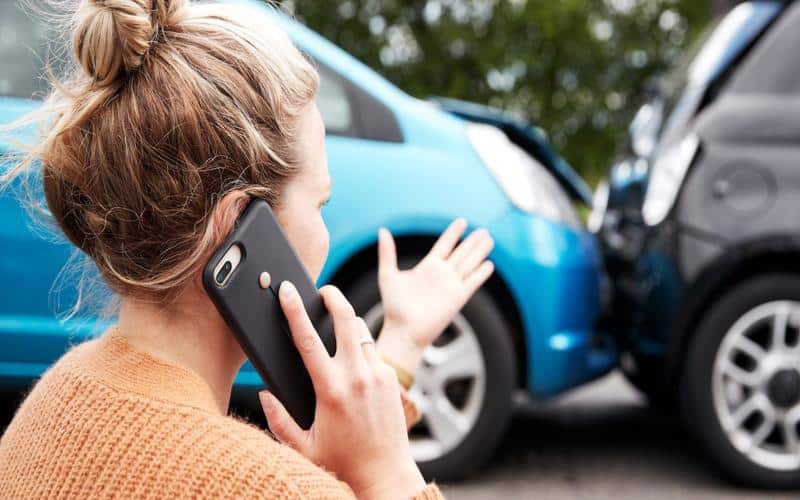

Have you ever felt overwhelmed by all the conflicting information about vehicle coverage? You’re not alone. Many drivers base their decisions on hearsay rather than facts, leading to unnecessary expenses or inadequate protection. From assuming the colour of a car affects policy rates to believing personal coverage extends to rental vehicles, misinformation spreads faster than wildfire.
Understanding the reality behind these misconceptions is crucial. Car insurance isn’t as complicated as it seems, but believing in outdated myths can cost more than expected. The best way to safeguard your vehicle and finances is by separating fact from fiction. Let’s debunk some of the most common myths that continue to mislead drivers.
Red Cars Always Cost More to Insure
A bright red sports car may turn heads, but does it really increase insurance premiums? Contrary to popular belief, the shade of a vehicle has zero impact on policy rates. Providers focus on factors like make, model, engine size, and safety features rather than aesthetics.
So, why does this myth persist? Perhaps flashy vehicles are often associated with high-performance driving, leading to assumptions about reckless behaviour. However, insurers prioritise data over perception. What truly matters is how frequently a model is stolen, its repair costs, and its overall claim history.
Personal Policies Cover Rental Vehicles Completely
Many travellers assume their existing coverage fully protects them when renting a car. While some policies do offer limited protection, gaps often exist. Liability coverage may apply, but damage waivers and additional fees can still leave renters vulnerable.
Rental companies frequently push extra protection for a reason. Without supplemental coverage, drivers might end up paying out-of-pocket for accidents or theft. Checking with a provider before declining additional safeguards is the most innovative way to avoid unexpected expenses.
Older Cars Don’t Need Coverage
It’s easy to think an ageing vehicle isn’t worth insuring, but that’s not entirely true. Even older models can rack up significant repair costs after an accident. While dropping comprehensive and collision coverage might save money in the short term, it could lead to expensive repairs later.
Every driver should weigh the replacement cost against potential repair expenses. If a vehicle still holds value or is essential for daily commutes, some level of protection remains a wise investment. Liability requirements also vary by location, so it’s necessary to check local laws before assuming coverage isn’t required.
Minimum Coverage Is Always Enough
Some drivers believe opting for the lowest legal requirement is a money-saving strategy. While meeting state-mandated liability limits keeps a policy active, it rarely offers sufficient financial protection in real-world accidents.
A single accident can result in medical bills, vehicle repairs, and legal expenses far beyond the minimum limits. Once those limits are exceeded, the remaining costs are directly out of pocket. Investing in higher protection levels ensures long-term financial security without risking devastating losses.
Comprehensive Coverage Protects Against Everything
The word “comprehensive” might suggest all-encompassing protection, but that’s not the case. While it covers damage from theft, natural disasters, and vandalism, it doesn’t extend to collision-related incidents. It specifically protects against non-collision events, but repairs from accidents with other vehicles require separate coverage.
Many assume this policy eliminates the need for collision coverage. However, if a driver hits another vehicle or object, the cost of repairs will not be covered unless additional protection exists. Knowing what each policy includes helps prevent costly misunderstandings.
Car insurance isn’t as complex as it seems, but relying on myths can lead to costly mistakes. Knowing what’s fact and what’s fiction can help you find the proper protection. Reviewing policies carefully and asking the right questions can help you avoid unnecessary expenses. When it comes to securing your vehicle, knowledge is always the best protection.