

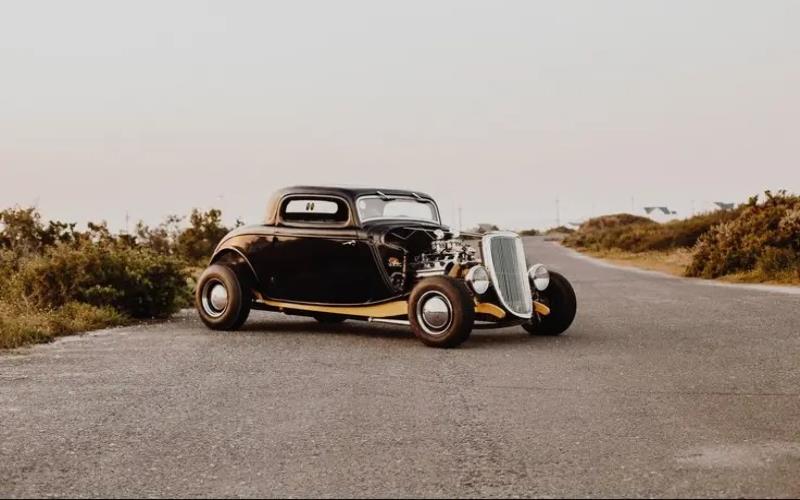

Owning a classic car is more than just a passion; it’s an investment that requires careful attention to detail, especially when it comes to determining its worth. Whether you’re looking to sell, insure, or simply understand the market value of your vehicle, consulting a classic auto appraisal specialist is essential. These professionals provide a thorough evaluation based on several factors, ensuring that your classic car is accurately valued in today’s market.
Why a Classic Auto Appraisal is Important
Classic car appraisals serve multiple purposes, from helping owners secure proper insurance coverage to facilitating a fair sale price. A professional appraisal is necessary in situations such as:
- Insurance Coverage: Ensuring your vehicle is adequately covered in case of damage or theft.
- Resale or Purchase: Helping buyers and sellers agree on a fair price based on market conditions.
- Estate Valuation: Determining an accurate value for legal or tax purposes.
- Loan Collateral: Some financial institutions require appraisals before approving loans using classic cars as collateral.
- Restoration Investment Analysis: Assessing whether a restoration project is financially viable before making substantial investments.
- Legal Disputes: Resolving cases related to inheritance claims, divorce settlements, or ownership disagreements involving classic cars.
Factors That Affect Classic Car Value
When determining the value of a classic car, several factors come into play. Appraisers assess the following key aspects:
- Make and Model: Certain brands and models hold higher value due to rarity and demand.
- Condition: The overall physical and mechanical condition significantly impacts valuation.
- Originality vs. Modifications: Vehicles with original parts tend to be worth more than heavily modified versions.
- Historical Significance: Limited production numbers or celebrity ownership can increase value.
- Market Trends: Fluctuations in demand and collector interest can affect a classic car’s worth.
- Mileage and Usage: Classic cars with lower mileage are generally more valuable, as they show less wear and tear.
- Restoration Quality: A high-quality, professional restoration can significantly boost a vehicle’s market value, while poor restorations may reduce it.
How a Classic Auto Appraisal Works
A comprehensive classic car appraisal typically involves several steps, including:
- Inspection: A thorough examination of the car’s body, interior, engine, and frame.
- Documentation Review: Examining service records, restoration history, and original parts.
- Market Research: Comparing similar vehicles in current market listings and auction results.
- Expert Analysis: Evaluating the authenticity of parts and determining the level of originality.
- Final Valuation Report: Providing a detailed report outlining the assessed value based on findings, including photographic documentation and professional recommendations.
Choosing the Right Classic Auto Appraisal Specialist
Not all appraisers are created equal, so it’s important to choose one with the right expertise. Here are some tips for selecting a reputable specialist:
- Certifications: Look for professionals affiliated with organizations like the International Automotive Appraisers Association (IAAA) or the American Society of Appraisers (ASA).
- Experience: Select an appraiser with a proven track record in evaluating classic cars.
- Client Reviews: Check testimonials and references to ensure credibility.
- Transparency: A good appraiser provides a clear breakdown of their process and valuation methods.
- Understanding of Market Trends: An experienced appraiser keeps up with classic car market shifts to provide the most accurate assessment.
- Ability to Handle Disputes: A knowledgeable specialist can assist in legal cases requiring expert testimony or detailed valuation reports.
Maximizing Your Classic Car’s Value
If you’re planning to sell or insure your vehicle, consider these tips to enhance its appraisal value:
- Regular Maintenance: Keeping the car in top condition prevents depreciation.
- Proper Documentation: Maintain records of all repairs, modifications, and restorations.
- Storage Conditions: Protecting the car from environmental damage preserves its value.
- Authenticity: Ensuring that original parts are intact can significantly increase market worth.
- Regular Driving and Exercise: Allowing the car to be driven occasionally keeps the engine and mechanical systems in working order.
- Investing in Professional Restoration: If restoring a classic car, ensure the work is done by a reputable specialist who follows original specifications.
- Entering Classic Car Shows: Winning or even participating in prestigious classic car shows can increase a vehicle’s desirability and perceived value.
Common Misconceptions About Classic Car Appraisals
There are several myths surrounding classic car appraisals that owners should be aware of:
- Myth: Only Rare Cars Need an Appraisal – Any classic vehicle can benefit from a professional valuation, regardless of rarity.
- Myth: Appraisals Are Only Necessary When Selling – Insurance, legal disputes, and personal documentation all justify the need for regular appraisals.
- Myth: Restoration Always Increases Value – While high-quality restoration can boost value, poor workmanship or excessive modifications may reduce it.
- Myth: Older Cars Are Always Worth More – Age alone does not determine value; condition, demand, and authenticity play larger roles.
Conclusion
A classic auto appraisal is a crucial step in understanding the true value of your vintage vehicle. Whether for insurance, resale, or investment purposes, consulting a classic auto appraisal specialist ensures you receive an accurate and fair valuation. By staying informed and maintaining your classic car properly, you can maximize its value and enjoy your investment for years to come. Taking proactive steps to care for your classic vehicle not only enhances its worth but also preserves a piece of automotive history for future generations.