


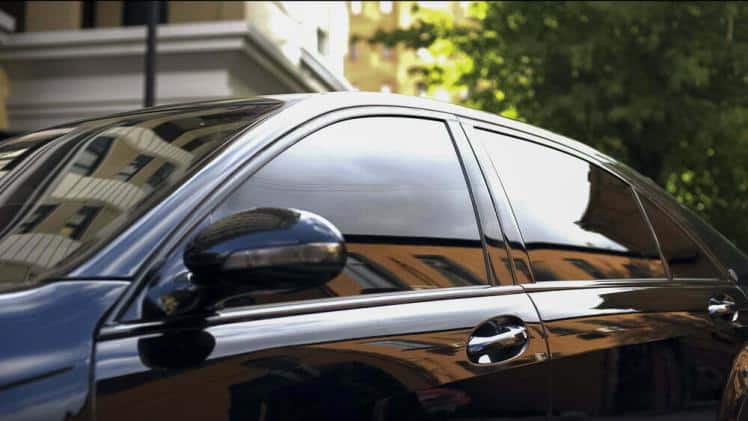
Looking to transform your car into a sleek, stylish, and UV ray-blocking powerhouse? Look no further.
Choosing the right window tint for your car is a decision that can have a significant impact on your driving experience. With a multitude of options available, it can be overwhelming to determine which one is best suited for your needs.
But fear not, because this comprehensive overview will guide you through the world of window tinting, providing valuable insights and expert advice that will leave you itching to discover the perfect tint for your beloved vehicle.
Types of Window Tint for Cars
When considering window tint for your car, it’s important to understand the different types available and their unique features.
One popular type of window tint is dyed film. This type of tint is made by applying a layer of dye to a polyester film. It absorbs heat and reduces glare, making it a great option for those who want a cooler and more comfortable ride. Dyed film also provides privacy by darkening the windows without affecting visibility.
Another type of window tint is metallic film. This tint contains small metallic particles that reflect heat and block UV rays. It offers excellent heat rejection and can help reduce the load on your air conditioning system. However, metallic film can interfere with electronic devices such as GPS or cell phone signals.
Ceramic film is a premium option that provides superior heat rejection and UV protection. It’s made from ceramic nanoparticles that are non-conductive and non-metallic. Ceramic films allow for maximum visibility while still keeping your car cool and protecting your interior from sun damage.
Benefits of Window Tinting
If you’re considering window tint for your car, you’ll be pleased to know that it offers a range of benefits that go beyond just reducing glare and heat.
Window tinting can provide added privacy, making it harder for others to see inside your vehicle. This is especially beneficial if you frequently leave valuable items in your car.
Tinted windows also help protect your car’s interior from harmful UV rays, preventing fading and cracking of the upholstery and dashboard.
Moreover, window tint can help hold shattered glass together in the event of an accident, reducing the risk of injury from flying glass shards.
Another advantage of window tinting is that it can help regulate the temperature inside your car, keeping it cooler during hot summer days and reducing the need for excessive air conditioning. This, in turn, can improve fuel efficiency and save you money on gas.
Additionally, window tint can add a sleek and stylish look to your car, enhancing its overall appearance.
With all of these benefits, it’s clear that window tinting is a worthwhile investment for any car owner.
Factors to Consider When Choosing Window Tint
To choose the right window tint for your car, consider the darkness level that aligns with your preferences and meets local regulations. The darkness level of window tint is measured by Visible Light Transmission (VLT) percentage, which indicates how much light can pass through the tint. Different darkness levels offer varying degrees of privacy and sun protection. If you prefer a darker tint for more privacy, opt for a lower VLT percentage.
However, keep in mind that some states and countries have regulations on the allowed VLT percentage for certain windows, so be sure to check your local laws to avoid any legal issues.
Another factor to consider when choosing window tint is the type of tint material. There are various types available, such as dyed, metalized, and ceramic tints. Dyed tints are the most affordable option and provide a basic level of heat and glare reduction. Metalized tints offer better heat and UV ray rejection, as they contain tiny metallic particles. However, they may interfere with electronic signals, such as GPS and cell phone reception. Ceramic tints, on the other hand, are the highest quality option, offering excellent heat reduction and clarity without interfering with electronic signals. They’re also the most expensive.
Lastly, consider the brand and warranty of the window tint. It’s advisable to choose a reputable brand that offers a warranty to ensure the durability and quality of the tint. A good warranty will cover issues such as bubbling, peeling, and fading, giving you peace of mind and saving you money on potential repairs or replacements.
Conclusion
In conclusion, when it comes to choosing the right window tint for your car, there are various options available to suit your needs and preferences.
Whether you prioritize privacy, style, or protection from harmful UV rays, understanding the benefits and drawbacks of each type of window tint can help you make an informed decision.
Remember to also consider factors such as heat rejection, glare reduction, and legal regulations to ensure a successful and enjoyable driving experience.