


Choosing a whole-grain loaf should be easy; it’s a decision made in a flash, like a pen. Instead, the bread aisle is a minefield of deceit. Terms like “multi-grain” and “wheat blend” are emblazoned in bold, promising something hearty and wholesome when they could be sponge cake with an identity crisis.
The uninformed shopper with only a vague idea that fiber is good gets taken in by these floury frauds.
Moreover, manufacturers know you don’t have time to read ingredient lists, so they slap on a brown label, maybe add a few seeds to the crust, and call it a day. Bread shopping, which used to be a one-minute errand, now requires a magnifying glass to decipher.
The wrong choice means a week of bland sandwiches or admitting your healthy choice is mostly refined flour and wishful thinking.
But how do you separate the virtuous from the impostors? Here are five key things to consider to find a loaf that is as nutritious as it is delicious.
1. Check the Ingredients List First
You’ve often asked yourself, “Is whole-grain bread good for you”? Well, that depends on whether it’s actual whole-grain bread or just a convincing impersonator. A solid loaf should have a short, understandable ingredient list—things like whole grains, water, yeast, and maybe a sprinkle of seeds.
If the list reads like a chemistry exam, put it back and back away slowly.
Bread packaging is designed to manipulate. Words like “multi-grain” and “wheat” suggest healthfulness but can mean anything from whole grains to pulverized white flour dyed brown for effect. The only way to know for sure is to check the ingredients list.
The first ingredient should be whole-grain wheat or other whole-grain seeds like oats, spelt, or rye. If it says “enriched wheat flour,” that’s just a dressed-up way of saying white flour, which has about as much nutritional value as a napkin.
Also, keep an eye out for added sugars. Some brands sneak in high-fructose corn syrup, honey, or molasses to make their bread taste more like a dessert.
2. Look at the Fiber Content
A good loaf of whole-grain bread should be more than just a vehicle for peanut butter. Fiber is the marker of a bread worth its weight in wheat. A slice should have at least three grams, but ideally more. Anything less, and you might as well be eating a sponge.
Fiber is what makes whole-grain bread good for digestion. It slows down how quickly sugar enters your bloodstream, which keeps your energy levels steady instead of leading to a mid-morning crash. Without enough fiber, bread is just a high-carb speed trap, luring you in with a temporary energy boost before slamming the brakes and leaving you starving an hour later.
Some loaves claim to be whole grains but contain little fiber because they’ve been processed to oblivion. The trick is to scan the nutrition label before making any commitments. If a brand is stingy with fiber, it’s probably cutting corners elsewhere, too.
3. Ignore the Color
Brown bread does not automatically mean whole-grain bread. Some brands know this and take shortcuts, adding caramel coloring to give the illusion of health. This is the bread aisle equivalent of someone who tans excessively in winter and hopes no one asks questions.
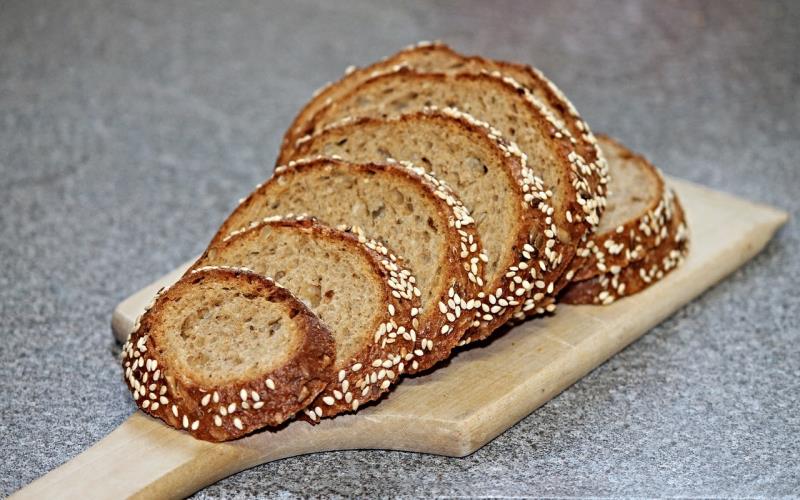
Genuinely whole-grain bread gets its color from the grains themselves. It doesn’t need food coloring or a sepia-toned makeover. The only way to know for sure is to check the label. If a loaf owes its hue to anything other than actual grains, it belongs back on the shelf.
Many loaves try to pass as whole grain by simply looking the part, but they fall apart under scrutiny. Whole grain bread should have texture, maybe some visible seeds or grains, and the confidence to stand on its merits rather than rely on food dye trickery.
4. Consider the Density of the Bread
A proper whole-grain bread should have some heft. If a loaf is so light it could double as a flotation device, there’s a good chance it’s been over-processed. Whole grains contain germ, endosperm, and bran, naturally giving the bread a specific density. Stripped-down versions, however, feel as insubstantial as packing foam.
Heavier bread isn’t just about texture—it indicates that the grains are intact and haven’t been milled into oblivion. A slice should have some chew, not dissolve into nothing the second it meets a sandwich filling.
Picking up a loaf and gently squeezing it is surprisingly effective in gauging quality. If the bread feels too airy, its nutritional potential will probably be robbed. Good whole-grain bread has weight—both physically and nutritionally.
5. Watch Out for “Gluten-Free” Distractions
Gluten-free doesn’t mean healthy. While some people genuinely need to avoid gluten for medical reasons, others pick gluten-free bread, assuming it’s better for digestion or weight loss. Unfortunately, most gluten-free breads compensate for the missing structure with starches, gums, and added sugars.
Many of these loaves rely on rice flour or potato starch, which spikes blood sugar faster than traditional wheat. Instead of choosing bread based on its lack, focus on what it provides. A genuinely good whole-grain bread should offer fiber, protein, and essential nutrients—not just a catchy label that implies virtue.
For those without gluten intolerance, whole-grain wheat remains one of the best sources of nutrition. The goal isn’t to find a loaf that boasts a trendy diet label but one that delivers actual benefits without the smoke and mirrors.
Conclusion
A trip to the bread aisle shouldn’t require detective work, but here we are. The best whole-grain bread is the one that contains whole grains, provides fiber, skips unnecessary sugars, and tastes like something worth eating. Packaging may try to deceive, but a careful read of the ingredients and nutrition facts separates the wheat from the chaff.
Whole grain bread, when chosen well, supports health and satisfaction. A good loaf elevates breakfast, makes sandwiches memorable, and justifies the extra cost. A bad one, however, merely reminds you why people resort to white bread and denial.