


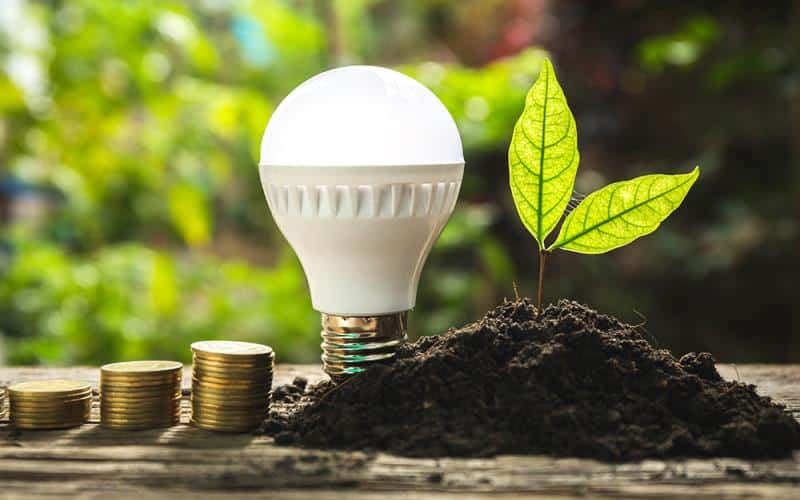
The Growing Importance of Energy Efficiency in Homes
In the current era, energy efficiency holds more importance than ever before. With the constant rise in energy costs, coupled with heightened environmental consciousness, there’s a compelling need for homeowners to become savvier about their energy use. By adopting energy efficiency measures, not only do households potentially lower their energy bills, but they also significantly contribute to global environmental goals. Energy-efficient homes are becoming a cornerstone in achieving sustainability, providing savings that go beyond financial aspects.
Moreover, transitioning to energy-efficient home improvements offers an avenue for families to qualify for an energy tax credit, easing the transformation journey from conventional to eco-friendly. This trend is mirrored in a report from the U.S. Department of Energy, which underscores residential energy use as a significant component of overall energy consumption. Therefore, homeowners who prioritize energy efficiency are not only looking after their own interests but are also playing a part in a larger environmental and economic framework.
Common Energy-Enhancing Home Improvements
Several enhancements can be made to improve the energy efficiency of a home, each offering specific advantages while collectively contributing to reduced energy use. Some of these improvements include:
- Insulation: A well-insulated home retains heat in the winter and stays cooler in the summer. This minimizes the need for constant heating and cooling, reducing energy bills and improving comfort levels.
- Solar Panels: By capturing sunlight and converting it into electricity, solar panels offer a renewable energy source that can seriously cut down electricity costs, especially in sun-rich areas. Furthermore, they integrate seamlessly with other energy-efficient systems to maximize savings.
- Energy-Efficient Windows: These windows are designed to keep out heat and cold, therefore lessening the need for air conditioning and heating. They are especially beneficial in regions with extreme temperatures.
Every upgrade, from insulation to solar panels, plays a critical role in enhancing a home’s overall energy profile. This not only results in immediate savings but also supports a sustainable lifestyle that benefits future generations.
Financial Benefits: Energy Tax Credits and Beyond
Among the most compelling reasons for homeowners to consider energy-efficient upgrades is the array of financial benefits available. Upgrading to energy-efficient appliances and systems not only results in lower utility bills but also makes homeowners eligible for an energy tax credit, which can substantially offset initial upgrade costs.
Additionally, many states and municipalities offer rebates and incentives for the installation of energy-efficient systems. These programs, which vary widely depending on location, embody governments’ recognition of the need to foster sustainable practices within residential communities. For instance, some areas may provide direct rebates on energy-efficient appliances, while others offer property tax incentives.
The IRS website hosts detailed guidelines on the energy-efficient home improvement credits available, empowering homeowners to take informed and financially savvy actions.
How to Decide Which Improvements Are Right for Your Home
Choosing the most appropriate energy-efficient improvements for a home entails careful consideration of several factors, including budget, climate, and specific home needs. An energy audit serves as a valuable tool in this decision-making process, providing detailed insights into current energy use and possible areas for improvement. Professionals who conduct these audits often come up with potential solutions that are tailored specifically to the homeowner’s situation.
Holistically assessing these upgrades is vital, as the unique characteristics of each home play crucial roles in the overall effectiveness of such improvements. Factors such as the age of the home, local weather conditions, and personal budgetary constraints can greatly influence what upgrades are pragmatic or achievable. Consulting energy efficiency experts can provide additional clarity and ensure that homeowners make the best choices for their unique situations, balancing cost with energy savings and environmental impact.
Real-Life Examples: Success Stories in Energy Efficiency
Across the country, countless homeowners have embarked on the journey of energy efficiency, ending with rewarding outcomes. In sunny California, for example, a family switched to solar energy and upgraded their home’s insulation, effectively reducing their annual energy expenses by nearly 40%. Beyond the obvious financial benefits, these improvements added to their home’s resale value, highlighting the multifaceted returns from eco-friendly investments.
Similarly, a resident of Philadelphia installed energy-efficient windows and was amazed at the reduction in heating costs during harsh winter months. These real-life accounts underscore the potential long-term savings, increased property values, and overall lifestyle benefits that energy-efficient upgrades can bring. These stories inspire other homeowners to consider similar strategic improvements, recognizing the substantial benefits they confer.
Expert Tips for Maximizing Returns on Energy Investments
Maximizing returns from energy investments requires strategic planning and foresight. Professionals emphasize several key strategies that homeowners can adopt to enhance their returns:
- Stay updated on new advances in energy-efficient technology. The fast-paced development in energy innovation continuously yields more effective and affordable solutions.
- Take full advantage of available state and federal incentives. These can significantly reduce the cost of energy-efficient upgrades.
- Consider regular maintenance and updates for energy-efficient installations. Consistent upkeep ensures maximum performance and prolongs the lifespan of these investments.
By actively applying these strategies, homeowners can ensure they are getting the most out of their energy-efficient home improvements, achieving a balance of comfort, savings, and positive environmental impact.