

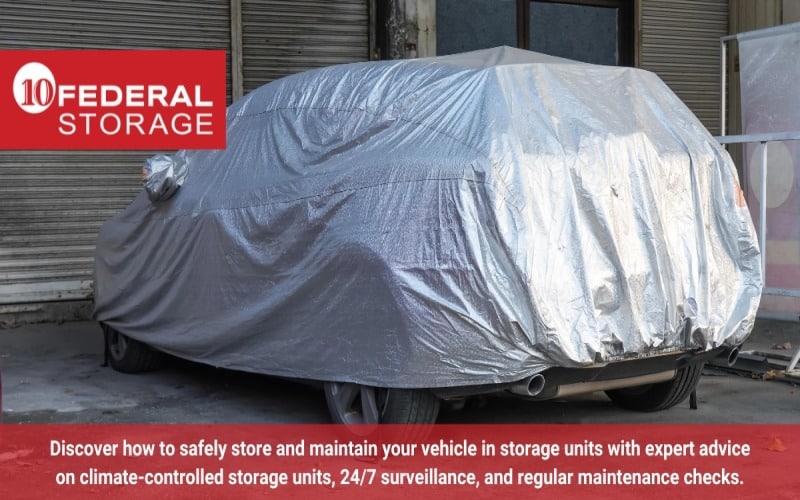

Owning an RV or a luxury vehicle provides a sense of freedom and adventure. However, there are times when these prized possessions need to be stored for an extended period. Whether you’re taking a break from the road or simply have limited space at home, it’s vital to store your vehicle correctly to prevent damage and maintain its value. This guide will take you through the essential best practices for long-term storage of RVs and vehicles.
Preparing Your Vehicle for Storage
Before you even think about where to store your vehicle, it’s crucial to prepare it adequately. Proper preparation can help prevent issues such as rust, battery failure, and tire damage.
Clean and Inspect
- Exterior Cleaning: Wash and wax your vehicle to remove dirt and grime, which can corrode the paint over time.
- Interior Cleaning: Vacuum and wipe down the interior. Remove any food items to avoid attracting pests.
- Inspection: Check for any existing damage and have it repaired beforehand. Also, look for fluid leaks, tire wear, and brake conditions.
Fluid Levels and Battery
- Fluids: Top off all fluids, including engine oil, coolant, and brake fluid, to prevent any potential issues. Using a fuel stabilizer can help keep the gasoline fresh.
- Battery: To prevent it from draining, disconnect the battery t. If you do not disconnect it, use a battery maintainer to keep it charged.
Tires and Brakes
- Tires: Overinflate the tires slightly to prevent flat spots. If possible, consider using tire jacks to take the weight off the tires.
- Brakes: Release the parking brake to prevent it from sticking. Instead, use wheel chocks to keep the vehicle in place.
Light Checks
- Exterior Lights: Ensure that exterior lights, including headlights, taillights, brake lights, and turn signals, all function correctly. Replace any burnt-out bulbs to maintain visibility and safety.
- Interior Lights: Check interior lights and dashboard indicators. Even though these might not be used frequently during storage, confirming they work can prevent surprises when you retrieve your vehicle.
Ideal Conditions for Vehicle Storage
Creating the right conditions for storing your RV or vehicle is equally important. Here’s what you should consider:
Climate-Controlled Environment
Climate-controlled storage units can help protect your vehicle from extreme temperatures, shielding it from the harsh effects of both intense heat and severe cold. This is particularly useful in regions with significant temperature fluctuations throughout the year. While these units do not offer humidity protection, they do an excellent job of maintaining a consistent temperature, which is beneficial for the longevity of your vehicle. A climate-controlled storage unit can help preserve your vehicle’s paint job, battery life, and overall mechanical integrity by reducing the risk of temperature-induced wear and tear. This makes it an ideal option for those looking to store their vehicles for long periods.
Covered and Indoor Storage
Opt for covered or indoor storage to shield your vehicle from the elements. Prolonged exposure to sunlight can fade your car’s paint and damage the dashboard through UV radiation. Rain can lead to rust and corrosion on metal parts, while snow and ice can cause mechanical issues and degrade rubber seals. By keeping your vehicle protected, you can significantly reduce wear and tear, preserving both the exterior and interior and ultimately extending the lifespan of your vehicle.
Ventilation
Proper ventilation is essential to prevent mold and mildew, which can damage belongings and cause health issues. Ensure the storage area has adequate airflow by cracking windows open or using fans to circulate air. Additionally, moisture absorbers, such as silica gel packets or dehumidifiers, should be used inside the vehicle to control humidity levels and keep the environment dry. Regularly check and replace these moisture absorbers to maintain their effectiveness.
Regular Maintenance During Storage
Even while your vehicle is in storage, periodic maintenance checks are essential. This helps ensure that your vehicle remains in good condition and is ready to hit the road when you need it.
Monthly Checks
Visit your storage facility monthly to thoroughly inspect the vehicle. Look for any signs of pest infestation, such as nests or droppings, and take appropriate measures if needed. Check the tire pressure and inflate the tires if necessary to prevent flat spots. Start the engine to ensure everything is in working order, allowing it to run for a few minutes to keep the battery charged and the fluids circulating. Be sure to check for any leaks or unusual noises that may indicate underlying issues. These steps will help maintain your vehicle in good condition while in storage.
Fluid Levels
Check the fluid levels every few months and top them off as needed. This includes engine oil, brake fluid, coolant, and transmission fluid. Regularly maintaining these fluid levels helps prevent any potential issues and ensures that your vehicle runs smoothly when you’re ready to use it again. Keeping an eye on these fluids can prolong the lifespan of your car’s engine and components.
Battery Maintenance
If you’ve disconnected the battery, reconnect it periodically and run the engine for a couple of minutes to keep the battery charged up and the engine lubricated. This helps prevent any potential issues that may arise from long periods of inactivity. If you’re using a battery maintainer, check to ensure it’s functioning correctly by monitoring the charge levels and inspecting the connections regularly. This ensures that your vehicle remains in good working order and is ready for you to hit the road again.
Why Choose Self Storage Units in Converse for Your Vehicle
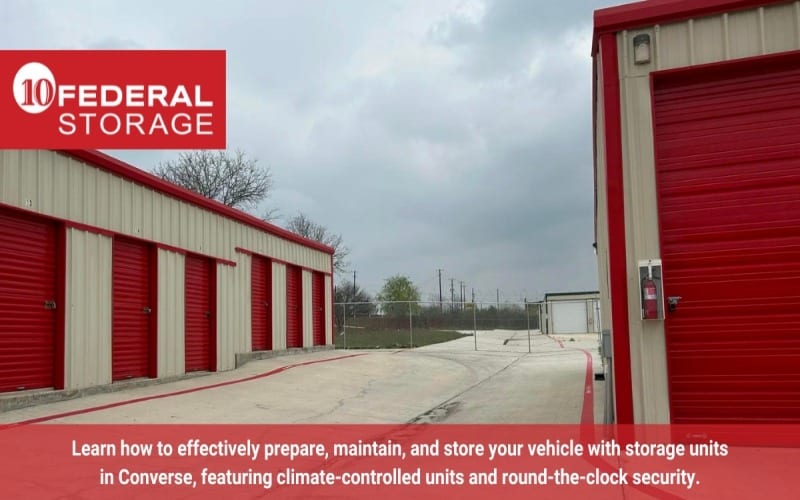
When it comes to storing your vehicle, choosing a reliable storage facility is crucial to ensure its safety and longevity. If you’re in the Converse area, consider using 10 Federal Storage for all your storage needs. Their self storage units Converse offer a range of amenities designed to keep your vehicle in top condition, giving you peace of mind. 10 Federal Storage provides several key features that make it an ideal choice for vehicle storage:
- Climate-Controlled Units: These units help protect your vehicle from extreme temperatures, preventing damage from heat, cold, and humidity. This is especially important for maintaining the integrity of your car’s interior and mechanical components.
- 24/7 Surveillance: With around-the-clock monitoring, you can be worry-free, knowing your vehicle is always being watched. The state-of-the-art surveillance system deters theft and vandalism, ensuring your investment is secure.
- Accessibility: These conveniently located storage units offer easy access whenever needed. Whether you require frequent access to your vehicle or only occasionally need it, the facility’s access hours ensure you can get to your vehicle with minimal hassle.
When you choose 10 Federal Storage’s storage units Converse, you can be confident that your vehicle is in good hands. Their commitment to security, climate control, and accessibility makes them a top choice for anyone looking to store their vehicle safely and conveniently.
Conclusion
Properly storing your RV or vehicle for the long term involves thorough preparation, choosing the right storage environment, and performing regular maintenance checks. By following these best practices, you can ensure that your vehicle remains in excellent condition, ready to provide you with many more miles of adventures. Remember, a well-maintained vehicle is your key to the open road.