

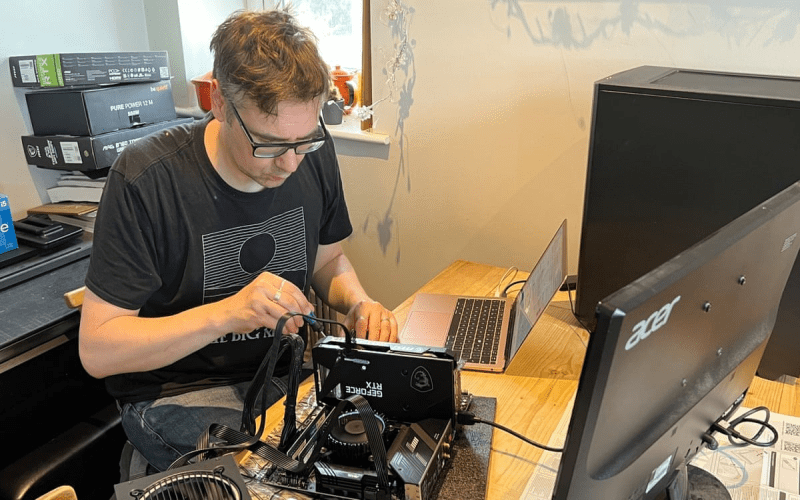

In the dynamic world of gaming, the debate between budget and high-end gaming PCs is fierce. Whether you’re a casual gamer or a hardcore enthusiast, choosing the right PC setup can significantly impact your experience. This blog explores the differences between budget and high-end options, offering insights to help you decide.
Performance Showdown Between Budget and High-End PCs
When it comes to gaming PCs, performance is king. Budget gaming PCs typically feature mid-range components that offer a reasonable balance between cost and performance. These rigs can handle most modern games at medium to high settings but may struggle with the latest AAA titles at ultra settings. In contrast, high-end gaming PCs boast top-of-the-line components, ensuring buttery-smooth performance even in the most demanding games.
High-end PCs often come equipped with the latest GPUs, like the NVIDIA GeForce RTX 3080, while budget options might feature cards like the GTX 1660 Ti. This difference in hardware translates to varying frame rates, resolutions, and overall gaming experiences. For casual gamers, a budget rig might be sufficient, but those seeking maximum immersion and performance will likely lean toward high-end machines.
Price Tag Tussle
One of the most significant factors influencing the decision between budget and high-end gaming PCs is price. Budget gaming PCs are typically more affordable, ranging from $500 to $1,000. These systems offer good value for money and are ideal for gamers on a tight budget or those new to the gaming scene.
On the other hand, high-end gaming PCs can cost several thousand dollars. These systems are built with premium components, ensuring top-tier performance and longevity. While the initial investment is steep, high-end rigs often have a longer lifespan and can handle future gaming demands with ease.
User Experience Differences
The user experience can vary dramatically between budget and high-end gaming PCs. Budget PCs may occasionally struggle with high frame rates and ultra settings, leading to stuttering or lower visual quality. However, they can still provide an enjoyable gaming experience, especially for less demanding titles.
High-end gaming PCs, with their superior hardware, deliver a seamless and immersive experience. Higher frame rates, better graphics, and faster load times contribute to an overall more satisfying gaming experience. For gamers who prioritize smooth gameplay and stunning visuals, investing in a high-end PC is often worth the extra cost.
Weighing the Pros and Cons
Choosing between a budget and high-end gaming PC involves considering several pros and cons. Budget PCs are more affordable and offer decent performance for most games. They’re also easier to upgrade incrementally, allowing gamers to improve their system over time without a significant upfront cost.
However, budget PCs may become outdated faster and struggle with newer games. High-end PCs, while expensive, offer unparalleled performance and future-proofing. They can handle the latest games at the highest settings and are less likely to need upgrades in the near future. The downside is the initial investment, which can be prohibitive for many gamers.
Tips for Optimizing a Budget Gaming PC
Even if you’re opting for a budget gaming PC, there are ways to optimize its performance and extend its lifespan. First, ensure your system is free of unnecessary software and background processes that can slow it down. Regularly updating your drivers and operating system can also improve performance.
Consider upgrading individual components over time. Adding more RAM, investing in an SSD, or upgrading your GPU can significantly boost your system’s capabilities. Finally, tweaking in-game settings to balance performance and visual quality can help you get the most out of your budget rig.
Latest Trends in Gaming PC Technology
The gaming PC industry is constantly evolving, with new technologies and trends emerging regularly. One notable trend is the rise of ray tracing, a technology that simulates realistic lighting and reflections, enhancing the visual fidelity of games. High-end GPUs like the NVIDIA RTX series support ray tracing, providing an even more immersive experience.
Another trend is the growing popularity of RGB lighting and custom builds. Gamers increasingly prioritize aesthetics, opting for transparent cases, customizable lighting, and unique designs. This trend spans both budget and high-end PCs, with options available for every price range.
The Role of AI in Gaming PCs
Artificial intelligence (AI) is making its mark on the gaming PC landscape. AI-powered tools can optimize game settings based on your hardware, ensuring the best possible performance. NVIDIA’s DLSS (Deep Learning Super Sampling) technology uses AI to upscale lower-resolution images, providing higher frame rates without sacrificing visual quality.
AI is also enhancing the gaming experience through features like real-time voice recognition and adaptive learning. These technologies can create more responsive and immersive gaming environments, benefiting both budget and high-end PC users.
Building vs. Buying a Gaming PC
Another critical consideration for gamers is whether to build or buy a gaming PC. Building a PC allows for customization and can often be more cost-effective, especially for budget gamers. It also provides an opportunity to learn about PC components and assembly.
However, buying a pre-built gaming PC offers convenience and often comes with warranties and technical support. If you decide to build a desktop, consider that for high-end systems, pre-built options can ensure optimal component compatibility and professional assembly.
Conclusion
Choosing between a budget and high-end gaming PC is a personal decision that depends on your gaming needs, budget, and preferences. Both options have their pros and cons, and understanding these can help you make an informed choice.