

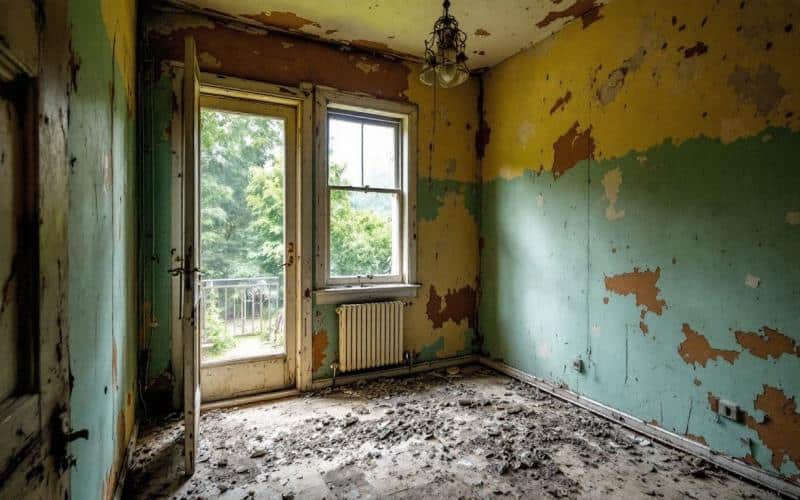

Are you thinking about renovating your home? You might find asbestos in older houses. We’ll show you how to deal with it safely. Keep reading for tips.
Identifying Asbestos in Your Home
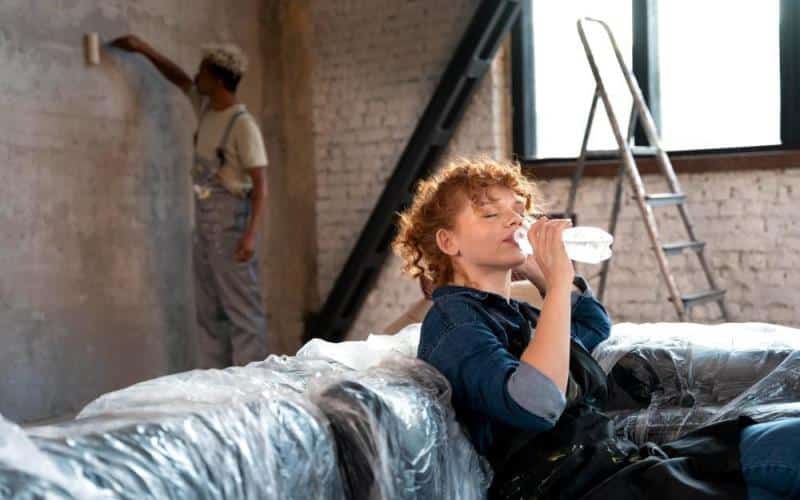
Finding asbestos in your home can feel like a puzzle. You’ll search for clues in old flooring, insulation, and other materials that might hide this sneaky risk.
Common materials that may contain asbestos
Asbestos was widely used in building materials before the 1980s. It’s important to know where it might hide during renovations.
- Popcorn ceilings: These textured surfaces applied before 1980 may contain asbestos for fire resistance.
- Vinyl floor tiles: Tiles made and installed before the 1980s can have asbestos for durability.
- Insulation: Homes built between 1930 and 1950 might have asbestos insulation around pipes, boilers, and in walls.
- Roofing shingles: Older shingles and roofing felt often included asbestos because of its strength.
- Siding material: Cement siding on houses built before the 1980s may consist of asbestos fibers to withstand the weather.
- Plaster: Some plaster in walls and ceilings included asbestos to add fire protection.
- Pipe wrap: Pipes in older homes might be wrapped with an asbestos blanket or tape as insulation.
- Joint compound: Used on seams between pieces of drywall before the ban, it could contain asbestos.
- Textured paints: Applied for a decorative finish on walls and ceilings until banned in 1977, these could include asbestos.
- Electrical panels: Asbestos was added to some electrical panels as insulation against heat.
Knowing these common uses helps you decide if you need professional testing before starting renovation work.
How to test for asbestos before renovations
Testing for asbestos before starting renovations is crucial to ensure safety. First, look around your home. Older homes, especially those built before 1980, are more likely to have materials containing asbestos.
If you find suspect materials like old floor tiles, insulation, or popcorn ceilings, don’t touch them. Disturbing these materials can release harmful asbestos fibers into the air.
For a safe test, hire a professional asbestos testing service. These experts will take small samples from suspected areas in a way that doesn’t spread fibers. They then send these samples to a lab for analysis. DIY asbestos test kits are also available but using them might not be as safe or accurate as professional testing.
Risks of Asbestos Exposure During Renovations
During renovations, disturbing asbestos materials can be dangerous. If these fibers get into the air, you might breathe them in without knowing. This is risky because asbestos can cause serious health problems, like lung cancer and mesothelioma—a kind of cancer that affects the lining of your lungs. It doesn’t show up right away but years later.
Safety matters a lot when dealing with asbestos in older homes—especially if the house was built before 1980. Many building materials used back then contained asbestos.
Renovation work stirs up dust and debris, including harmful fibers if not handled correctly. That’s why one of the key DIY home renovation tips is understanding and managing asbestos risks to protect everyone’s health.
Steps for Safe Asbestos Handling
Dealing with asbestos requires careful steps—first, creating a safe zone to stop fibers from spreading. Next, it’s required to call experts for testing and removal, keeping everyone safe.
Containment and minimizing disturbance
To keep asbestos fibers from spreading, it’s key to contain and limit how much you disturb materials suspected of containing asbestos during renovations. This means sealing off the area where work will happen.
Use plastic sheets and tape to block air vents, doors, and windows. This stops dust from moving into other parts of your home. Make sure not to eat, drink, or smoke in this zone to prevent ingesting any fibers.
Workers should wear protective gear like masks and gloves when dealing with these materials. They also need special vacuum cleaners that can catch tiny asbestos particles without letting them back into the air.
After work is done for the day, clean up carefully using wet cleaning methods instead of sweeping or vacuuming, which might lift fibers into the air again. Minimizing disturbance during renovations protects everyone’s health.
Importance of professional asbestos testing
Minimizing the disturbance of asbestos is essential. Next, professional asbestos testing becomes crucial. It ensures the safety of everyone involved in a home renovation or DIY project. Experts in asbestos testing can find and measure the amount of asbestos. This step is vital before any renovation work starts.
Professional testers use special tools and follow strict guidelines to collect samples without spreading fibers into the air. They send these samples to labs for accurate results. This process helps homeowners decide on safe removal or containment methods.
Taking this step protects health and meets legal requirements for safely handling hazardous materials like asbestos during renovations or demolition projects.
Hiring Licensed Asbestos Abatement Professionals
Finding the right team for asbestos removal is very important. Look for licensed professionals with a solid track record and positive reviews to ensure safety and compliance during your renovation project.
What to look for in a qualified contractor
Hiring a licensed asbestos abatement professional is key for safe renovations in homes with asbestos. You need someone with the right skills, experience, and credentials to handle hazardous materials properly. Here’s what to focus on:
- Check for proper licenses and certifications. A qualified contractor must have all the necessary state and federal licenses for asbestos removal.
- Look for experience in similar projects. The right contractor has a strong track record of safely handling asbestos in older homes or renovation projects.
- Demand references and check them. Contact past clients to hear about their experiences and satisfaction levels.
- Ensure they follow safety regulations. Your contractor should adhere strictly to OSHA (Occupational Safety and Health Administration) and EPA (Environmental Protection Agency) guidelines for asbestos handling.
- Ask about their cleanup and disposal process. They must use safe methods to dispose of asbestos materials according to local, state, and federal laws.
- Confirm they carry insurance. Proper insurance protects both you and the workers if something goes wrong during the project.
- Request a detailed plan of action. A professional will provide a clear outline of how they intend to manage the asbestos removal safely.
- Inquire about post-abatement testing. After removing asbestos, air quality tests are essential to ensure the area is safe for habitation again.
Choosing carefully ensures your renovation project goes smoothly while keeping everyone safe from asbestos hazards.
Post-abatement air quality testing
After the asbestos removal, air quality testing is a must. This step checks if the area is safe and free from asbestos fibers. Professionals use special tools to collect air samples. Then, they test these samples in a lab.
Safety doesn’t stop after asbestos abatement; it’s confirmed through rigorous post-abatement air quality testing.
This process ensures that the home or building meets health and safety standards. It’s important for peace of mind before moving back in or continuing renovation work.
Best Practices for Renovating with Asbestos Present
Dealing with asbestos during renovations requires careful planning. Keep safety in mind, and follow guidelines to protect everyone involved.
Only disturb asbestos when absolutely necessary
Avoid touching asbestos unless you really have to. This is vital for safety during home renovations. If the material containing asbestos isn’t damaged, it’s safer to leave it alone.
Sometimes, changes in your house demand dealing with these materials. In such cases, wear protective gear and follow strict rules. This step minimizes the risk from asbestos fibers. Always think about safety first before starting work that might disturb asbestos.
Use protective measures and follow local regulations
Always wear masks, gloves, and goggles when working with asbestos. Use plastic sheets to seal the area. This stops asbestos fibers from spreading. Follow your city’s rules for getting rid of asbestos safely.
Make sure to read up on local laws about handling asbestos in your home. Some places need you to have a permit before starting work. Keep neighbors informed if you plan to remove materials that contain asbestos.
Conclusion
Tackling renovations requires careful thought, especially with asbestos in older homes. Knowing what to look for and when to call professionals can keep you safe. Asbestos handling isn’t a DIY project — it’s about health and safety first.
Keep these tips in mind, and your renovation will be smoother and safer.