


What Are Acoustic Panels?
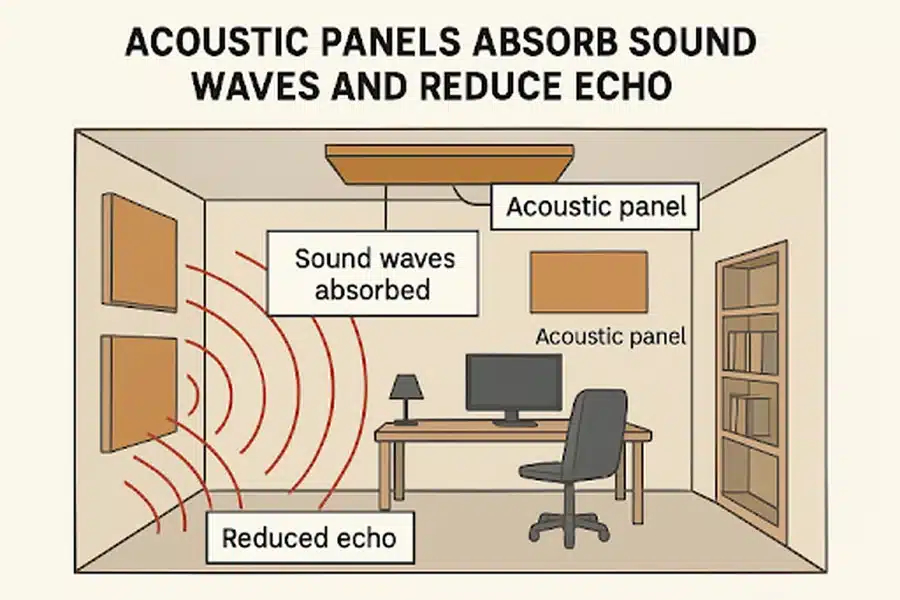
Clear sound isn’t just for recording studios and concert halls. Acoustic Panels are purpose-built to absorb unwanted sound reflections within any space. Unlike ordinary foam, these panels are crafted using materials with carefully measured density and thickness, allowing them to target a wide variety of frequencies. Whether you’re working from home, watching movies, or enjoying music, strategically placed acoustic panels can make conversations sharper and reduce distractions from reverberation.
As demands for better sound quality rise in both homes and workplaces, acoustic panels are becoming a foundational element in modern interior design. These solutions don’t just mute loud noises—they sculpt the soundscape of your environment, transforming distracting echoes into clarity. According to leading architects, thoughtful integration of acoustic panels can elevate comfort and usability for any type of room.
How to Place Panels Effectively
The effectiveness of acoustic panels depends greatly on their placement. Experts advise finding the first reflection points—where direct sound from speakers or voices first strikes flat surfaces. Treating these areas, including side walls, ceilings, or floors, can significantly reduce noise flutter, echo and harshness. Corners often gather bass energy and are problematic in home studios, so adding bass traps or thicker panels in these spots can improve low-frequency control.
- Map out your room’s primary sound sources, such as speakers, instruments, or desks.
- Use a simple hand-clap test to identify prominent echo spots.
- Spread your treatment across multiple surfaces to ensure a balanced sound environment.
Following these strategies helps avoid common pitfalls, such as over-treating one surface while leaving other problem areas unmanaged.
DIY vs Professional Installation: What to Consider
You don’t need to be an acoustic engineer to improve your space—many panels are designed for easy DIY installation using adhesive strips, hooks, or Velcro. However, larger or more complex spaces (like auditoriums, conference rooms, or multi-use studios) often benefit from a professional assessment. Acoustic consultants use specialized software and measurement tools to tailor solutions, ensuring that every critical frequency range is addressed.
Consider your budget, technical confidence, and desired outcome. Simple rooms can achieve great results with DIY kits, but maximizing performance in demanding environments usually requires professional input. Investing in professional installation delivers peace of mind, especially when you want guaranteed, measurable improvements.
Combining Design and Function: Aesthetic Options
Modern acoustic panels aren’t just practical; they’re also customizable elements of interior décor. Manufacturers now offer panels in an array of textures, shapes, and colors, allowing you to coordinate your sound solutions with existing furniture or wall art. For creative spaces and living areas, some panels double as statement pieces, featuring bold prints, geometric patterns, or even photos.
Blending function and style ensures that your environment doesn’t sacrifice beauty for acoustic performance. As highlighted by Houzz, thoughtful soundproofing with acoustic panels can enhance both the comfort and aesthetics of a space. Consult with designers or explore custom panel options if you’re looking to mirror a specific theme or color palette in your room.
Benefits Beyond Sound Quality
Superior acoustics impact far more than just how music or dialogue sounds. In offices and classrooms, managing noise improves concentration, reduces fatigue, and boosts overall productivity. Studies show that in open-plan workspaces, employees with better sound environments report higher job satisfaction and lower stress levels. In the home, quieter bedrooms and living rooms promote healthier sleep and family communication.
The rise of remote work, online teaching, and content creation has made acoustic management a necessity. For anyone participating in video calls, recording podcasts, or streaming online, a well-treated space ensures that your message comes through without distractions or sound artifacts. Noise management, therefore, is an investment in both comfort and communication.
Frequently Asked Questions
- Can I use acoustic panels in a rental space?
- Yes, there are non-permanent mounting options available that won’t harm your walls or finishes. Many renters use adhesive strips or removable hooks for easy installation and removal.
- How many panels do I need for a typical room?
- Treating just 20-30% of your wall area with sound-absorbing panels can make a dramatic difference for most average-sized rooms. If you’re in a particularly echo-prone space, you may need to treat a bit more.
- Will acoustic panels block noise coming from outside?
- Acoustic panels are primarily designed to treat internal reflections and echoes. Blocking external noise (true soundproofing) often requires mass-loaded barriers or specialized insulation products.
Conclusion: Creating Spaces That Sound as Good as They Look
Acoustic panels are more than just functional additions to a room. They are investments in clarity, comfort, and overall well-being. By carefully selecting the right materials, considering thoughtful placement, and striking a balance between performance and aesthetics, you can transform any space into an environment that supports focus, relaxation, and effective communication. Whether you’re designing a home office, enhancing a media room, or improving a professional workspace, acoustic panels ensure that your surroundings not only look inviting but also sound exceptional.