


The journey of polyester fabric through the fashion industry is marked by significant milestones, reflecting its evolution from a novel invention to a staple in modern wardrobes. Here’s your guide highlighting these key moments:
Key Takeaways
- Polyester’s journey from its invention in the 1940s to its current status underscores the dynamic interplay between technological innovation and fashion trends.
- DuPont’s introduction of polyester to the American market as Dacron in the early 1950s was a pivotal moment that led to its widespread adoption in fashion.
- The fabric saw its heyday in the 1960s and 1970s, becoming synonymous with the era’s vibrant and experimental fashion styles.
- Polyester’s adaptability made it a staple of the fast fashion industry, though this raised further sustainability concerns.
- Recent advances in recyclable and bio-based polyesters illustrate the industry’s efforts to address environmental issues, pointing towards a more sustainable future for polyester.
Polyester Fabric Today
Polyester fabric, once a hallmark of innovation in the textile industry, has evolved into a cornerstone of modern fashion, blending tradition with cutting-edge sustainability practices. Leading polyester fabric manufacturer today have not only underscored polyester’s enduring appeal but also its transformation in response to contemporary demands for eco-friendly fashion solutions.
Today’s polyester combines the best of both worlds: the practical benefits that initially propelled it to fame, and the innovative, sustainable practices that promise a greener future. This dual focus ensures that polyester remains not just relevant but vital in today’s fast-evolving fashion landscape, offering durability, versatility, and a reduced environmental footprint.
1. Early Development and Invention
The journey of polyester began in the early 20th century, culminating in the 1940s with the development of the first polyester fiber, Terylene, in England. This was a monumental step in textiles, introducing a durable, easy-care option to the market. The invention of polyester is attributed to the scientific advancements of British chemists who expanded upon earlier research by DuPont on synthetic fibers.
2. Introduction to the American Market by DuPont
DuPont’s acquisition and introduction of Terylene under the name Dacron in the early 1950s marked polyester’s entry into the American textile market. This strategic move by DuPont significantly broadened the fabric’s audience and began its widespread integration into everyday fashion, setting the stage for polyester’s dominance in the textile industry.
3. Polyester’s Popularity Peaks in the 1960s and 1970s
Polyester’s popularity reached its zenith during the 1960s and 1970s, a period characterized by vibrant and experimental fashion. Polyester’s properties, such as wrinkle resistance and easy maintenance, made it an ideal fabric for the era’s dynamic clothing styles. It was during this time that polyester truly became embedded in the cultural fabric of fashion, celebrated for its adaptability and practicality.
4. The Impact of Environmental and Ethical Concerns
The environmental impact of polyester, particularly its non-biodegradable nature and petroleum-based production, came under scrutiny as environmental awareness rose in the 1980s. This period marked a critical turning point, prompting the fashion industry and consumers alike to reconsider the sustainability of synthetic fabrics. The growing concern over pollution and waste contributed to a shift in perception regarding the use of polyester and other synthetic fibers.
5. Adaptation to Fast Fashion
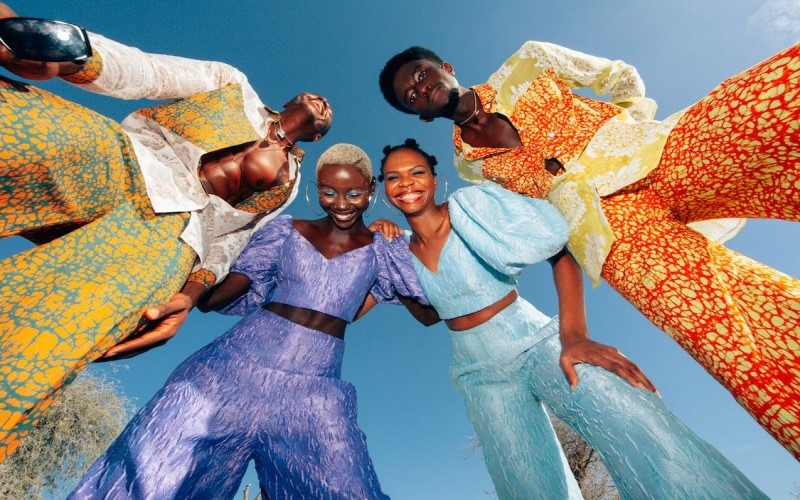
By the late 20th and early 21st centuries, polyester had adapted to the burgeoning fast fashion industry. Its ability to replicate high-fashion trends rapidly and affordably made polyester a cornerstone of this new model, despite increasing concerns about the environmental implications of quick-turnaround clothing production. This era highlighted the tension between the demand for trendy, accessible fashion and the need for sustainable practices.
6. Innovations in Sustainability
In recent years, the industry has made significant strides in addressing the sustainability issues associated with polyester. Efforts to develop recyclable and bio-based polyesters aim to mitigate the environmental impact. Such innovations represent a concerted effort to reconcile polyester’s practical advantages with the imperative for reduced ecological footprints, marking a promising direction towards more sustainable textile production.
7. Polyester Today: Ongoing Evolution
Today, polyester continues to be a staple in the fashion industry, valued for its versatility and the advancements that have made it more sustainable and user-friendly. The current focus is on improving polyester’s environmental profile through recycling technologies and bio-based alternatives, reflecting a broader industry trend towards sustainability and ethical production. The evolution of polyester is ongoing, with future developments expected to further enhance its performance and ecological compatibility.
Wrapping Up
From its early days as a groundbreaking synthetic fabric to its current status as a staple in both fast fashion and high couture, polyester’s journey through the fashion industry encapsulates themes of innovation, adaptation, and the ongoing quest for sustainability. As the industry continues to evolve, so too will the role of polyester in shaping the future of fashion.
FAQ
When was polyester first invented?
Polyester was first developed in the 1940s, with the creation of Terylene in England marking the beginning of synthetic fibers in fashion.
Why did polyester become so popular in the 1960s and 1970s?
Polyester’s popularity in the 1960s and 1970s was due to its durability, ease of care, and versatility, fitting well with the era’s vibrant and experimental fashion trends.
What are the environmental concerns associated with polyester?
The main environmental concerns include its non-biodegradable nature, reliance on petroleum for production, and contribution to pollution and waste.
How has the fashion industry addressed the sustainability issues of polyester?
Innovations in recyclable and bio-based polyesters are among the efforts to make polyester more sustainable and reduce its environmental impact.
Is polyester still widely used in fashion today?
Yes, polyester continues to be a staple in the fashion industry due to its adaptability, performance, and the advancements that have made it more sustainable.